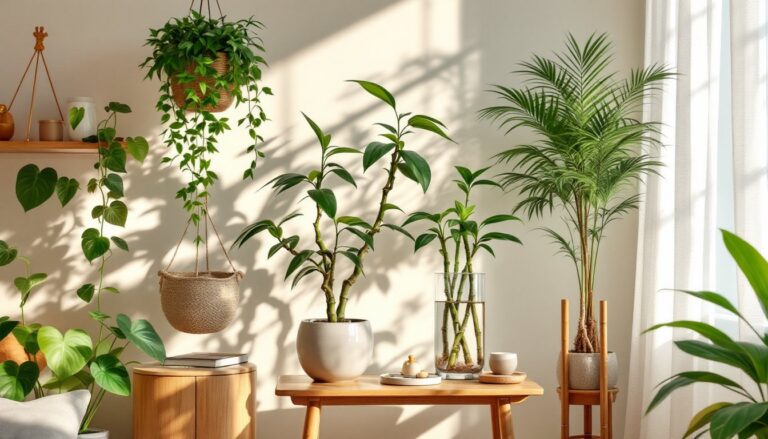
Large indoor house plants have become essential pieces of home décor and air quality management, not just trendy accessories sitting in a corner. Whether you’re a first-time plant parent or a seasoned green thumb, these statement-making specimens bring architectural interest, improved air quality, and a sense of calm to any room. They also signal commitment, caring for a large plant over months and years builds genuine connection to your living space. If you’re ready to move beyond small succulents and desktop ferns, this guide walks you through selecting, placing, and maintaining large indoor plants that’ll actually thrive in your home.
Table of Contents
ToggleKey Takeaways
- Large indoor house plants serve as functional living décor that improve air quality, reduce stress, and anchor empty spaces without consuming valuable floor area.
- Popular varieties like Fiddle Leaf Fig, Monstera, Bird of Paradise, and Rubber Plants each have distinct light and watering needs—Monsteras are forgiving for beginners, while Fiddle Leaf Figs require consistent placement and careful watering.
- Master watering by checking soil moisture at the top 1–2 inches and adjusting frequency seasonally (weekly in summer, every 2–3 weeks in winter) to prevent root rot.
- Provide 200–500 foot-candles of light through south or east-facing windows, maintain 40–60% humidity with misting or pebble trays, and use well-draining soil amended with orchid bark or perlite.
- Inspect leaf undersides monthly for pests, rotate plants every 2–3 months for even growth, and fertilize only during spring and early fall to keep large indoor plants vigorous without burning roots.
- Be patient with establishment—expect some leaf drop initially, and prioritize consistent care over perfection to watch your large house plant investment mature over months and years.
Why Large Indoor Plants Are Worth the Investment
Large indoor plants aren’t just décor: they’re functional living elements that reshape a room. A single Monstera deliciosa or Bird of Paradise occupies visual real estate that smaller plants simply can’t match, anchoring a corner or brightening an entryway without clutter or fuss.
The air purification argument holds real merit. Larger plants have more leaf surface area to absorb carbon dioxide and release oxygen. NASA’s Clean Air Study documented that plants like Dracaena and Philodendron species remove formaldehyde, benzene, and other VOCs from indoor air, though you’d need quite a few to meaningfully scrub an entire room. The psychological boost is equally valid: studies show indoor greenery reduces stress and increases focus.
There’s also the practical angle: a large plant fills dead space without eating up floor square footage like furniture does. That bare corner near the window? A tall Fiddle Leaf Fig transforms it instantly. The investment, whether you’re spending $30 on a smaller specimen or $150+ on a mature plant, pays dividends in ambiance and air quality for years if properly maintained. Unlike paint or wallpaper, a thriving large plant is forgiving: you can prune, repot, and reshape it as your space evolves.
Top Large Indoor Plants for Every Room
Fiddle Leaf Fig and Monstera Varieties
Ficus lyrata (Fiddle Leaf Fig) remains the gold standard for dramatic interiors. It grows 6–10 feet tall indoors, with massive, violin-shaped leaves that command attention. The catch: it’s particular about light and watering. It needs bright, indirect light, think near a south- or west-facing window with a sheer curtain filtering harsh rays. Overwatering kills it faster than underwatering: let the top 2 inches of soil dry between waterings. It also despises moving: once placed, leave it be. Repot in spring only if roots are circling the pot.
House Plants with Big Leaves like Monstera offer similar visual impact with a friendlier temperament. Monstera deliciosa (Swiss Cheese Plant) grows aggressively, reaching 8+ feet with those iconic fenestrated (split) leaves. It tolerates lower light than a Fiddle Leaf Fig and bounces back from neglect. Water when the top inch of soil feels dry: in cooler months, every 2–3 weeks is typical. Monsteras love humidity, so mist leaves weekly or place on a pebble tray with water.
Rhaphidophora tetrasperma (Mini Monstera) offers the same vibe in a slightly more compact form, 3–4 feet tall, without looking cramped. All three prefer tall indoor house plants soil with chunky amendments (orchid bark, perlite) that prevents waterlogging. Repot every 2 years or when roots emerge from drainage holes.
Bird of Paradise and Rubber Plants
Strelitzia reginae (Bird of Paradise) is stunning but slower to establish. Indoors, expect 4–6 feet of height with bold, paddle-like foliage and orange-and-blue flowers in ideal conditions. It demands bright, direct morning sun and well-draining soil. Winter temperatures around 50–55°F encourage blooming, not realistic for most living rooms, but the foliage alone justifies the space.
Ficus elastica (Rubber Plant) grows 6–8 feet tall with glossy, deep-burgundy or green leaves depending on variety. It’s less finicky than Fiddle Leaf Fig but still prefers bright, indirect light and consistent watering. Feed monthly during growing season (spring through early fall) with a balanced fertilizer diluted to half strength. Wipe large leaves monthly with a damp cloth to reduce dust and maximize photosynthesis. Large House Plants Low Light tolerant varieties include Rubber Plants in lower-light spots, though they won’t be as vibrant.
All four of these plants benefit from annual pruning to shape growth and encourage bushiness. Pinch new growth tips or cut back stems to a node (the bumpy area where leaves emerge). Spring is ideal timing, just as the plant enters active growth.
Essential Care Tips for Large Indoor Plants
Light is non-negotiable. Most large houseplants evolved in tropical understory or forest margins, not on dark shelves. Assess your room: south-facing windows provide strong, direct light (5+ hours): east or west-facing windows offer gentler morning or afternoon sun: north-facing windows are low-light territory. If you’re uncertain, invest in a simple light meter (under $20) to measure foot-candles. Most popular large plants want 200–500 foot-candles.
Watering kills more plants than neglect. The rule: water when the top 1–2 inches of soil feel dry to the touch. This might mean weekly in summer, every 2–3 weeks in winter. Use room-temperature water: cold water shocks roots. Ensure pots have drainage holes, non-negotiable for large specimens, as wet roots rot quickly. If you’re forgetful, consider a moisture meter that removes guesswork.
Humidity matters, especially in winter when heating dries air. Large leaves transpire heavily: they love 40–60% humidity. Mist regularly, group plants together to create a microclimate, or place pots on pebble trays (shallow trays filled with gravel and water, never let the pot sit directly in water). Bathrooms and kitchens naturally have higher humidity.
Soil should be rich but loose. Standard potting mix works for most large plants, but amending with orchid bark, perlite, or coco chips at 20–30% improves drainage. When repotting, choose a container only 1–2 inches larger in diameter than the current pot: oversized pots hold excess moisture. Repot in spring when growth resumes.
Fertilizing during the growing season (spring through early fall) keeps large plants vigorous. Use a balanced, diluted liquid fertilizer (such as 5-5-5 or 10-10-10 NPK) every 2–4 weeks. Stop in fall and winter when growth slows. Overfertilizing burns roots and causes salt buildup on soil surface, not necessary and often harmful.
Pest monitoring is easier with large plants because you handle them frequently. Spider mites, mealybugs, and scale insects love indoor plants, especially in dry conditions. Inspect leaf undersides monthly. If pests appear, isolate the plant, spray with insecticidal soap or diluted neem oil, and repeat weekly for 3 weeks. Most Popular House Plants often arrive pest-free if purchased from reputable nurseries or garden centers.
Rotation every 2–3 months encourages even growth: plants naturally lean toward light, and rotating prevents lopsided shapes. For heavy plants, a rolling plant stand ($20–40) makes this painless.
Finally, be patient. Large plants aren’t overnight projects, they’re investments that mature over seasons. Expect some leaf drop when you first bring a plant home: it’s adjusting to lower light and humidity indoors. Consistent care beats perfection every time.
Conclusion
Large indoor house plants transform homes by filling space, purifying air, and creating living focal points that evolve year to year. Whether you choose a dramatic Fiddle Leaf Fig, forgiving Monstera, or botanical statement-maker like Bird of Paradise, success boils down to matching the plant to your light, being honest about watering habits, and resisting the urge to overwater “just in case.” Start with one, nail the care routine, then expand. Your home, and your mental health, will thank you.