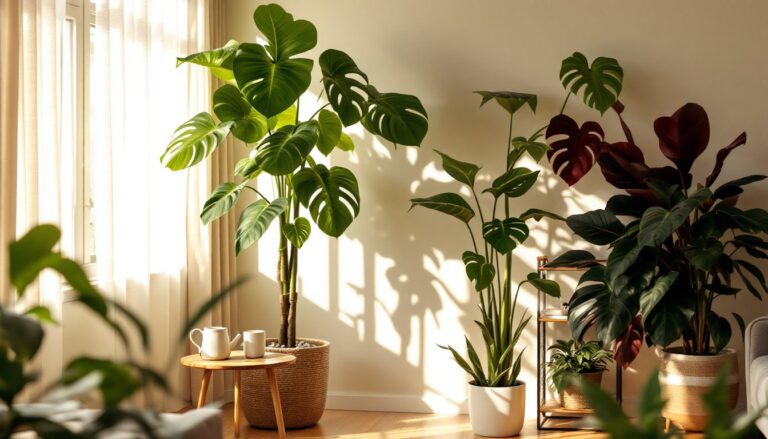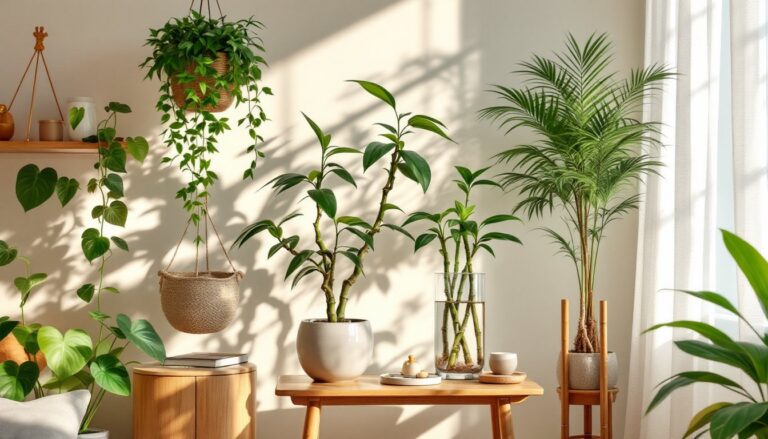
Ever walked into a room that felt more like a cave than a cozy hangout? If so, you know the struggle of finding plants that can thrive in low-light conditions. But fear not. Large house plants that flourish in the shadows do exist and can transform your space. Imagine lush greens waving at you from the corner of your living room instead of dusty old furniture. Ready to jump into the world of these botanical beauties? Let’s explore how they can uplift dull areas and improve your indoor atmosphere while giving you the low-down on care and design.
Benefits of Low Light House Plants
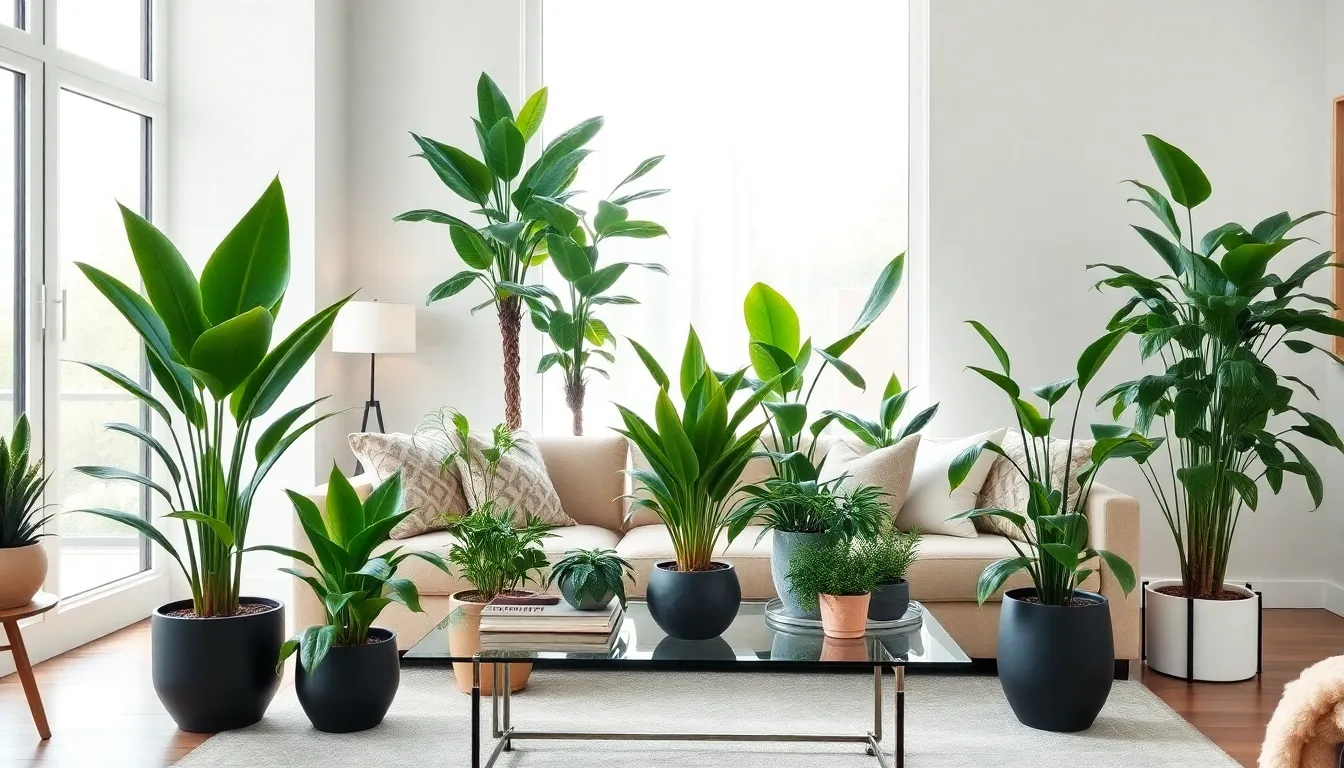
Low light house plants offer a range of benefits that cater to both novice and seasoned plant owners. First off, they thrive where many plants throw in the towel. This resilience means even in dim corners of your home, there’s a splash of life.
Also, these plants improve air quality by filtering toxins. Studies have shown that certain plants can absorb harmful chemicals, providing you with fresher indoor air. Who wouldn’t want to breathe cleaner air?
On top of that, they reduce stress and boost mental health. Imagine coming home after a long day to a soothing green presence. Many people find that caring for plants fosters relaxation and offers a sense of responsibility. Plus, they bring the joy of nature indoors without needing a green thumb. As decor elements, they enhance aesthetics and add texture, making any room more inviting.
In short, low-light large house plants make your space healthier, happier, and visually appealing.
Types of Large House Plants Suitable for Low Light
Finding the right large house plants for low light might seem like searching for a needle in a haystack. But worry not. Here’s a quick list of options that won’t turn their leaves up in despair:
1. Cast Iron Plant (Aspidistra elatior)
Known for its resilience, this plant can endure neglect and low light like a champ. Its dark green, broad leaves add an elegant touch to any corner.
2. ZZ Plant (Zamioculcas zamiifolia)
This plant is often referred to as the “ninja” of house plants thanks to its ability to withstand low light and drought. With thick, waxy leaves, it not only looks great but also requires minimal care.
3. Snake Plant (Sansevieria)
Also known as mother-in-law’s tongue, the snake plant thrives on neglect. It can grow tall, offering varied heights that add drama to your interiors while purifying the air.
4. Peace Lily (Spathiphyllum)
Known for its stunning white blooms, the peace lily loves low light and also signals when it needs water with droopy leaves, making care easy.
5. Pothos (Epipremnum aureum)
While often known for trailing, pothos can also be a fantastic floor plant. Its heart-shaped leaves come in various shades, perfect for brightening up darker areas.
These selections provide visually pleasing aesthetics while being easily adaptable to lower light conditions.
Care Tips for Low Light House Plants
Caring for low light house plants isn’t rocket science, but there are a few crucial tips to ensure they thrive:
1. Watering Wisely
Since these plants dwell in less-than-ideal lighting, they don’t need as much water as their sun-seeking cousins. Always check the soil moisture before watering. If the top inch feels dry, it’s time to give them a drink.
2. Dust those Leaves
Dust can accumulate on leaves, reducing their ability to photosynthesize. Wipe them down regularly with a damp cloth to keep them happy and healthy.
3. Rotate for Balanced Growth
Don’t ignore the fact that one side gets more light than the other. Rotating your plant every few weeks ensures balanced growth and a uniform appearance.
4. Monitor Temperature
Most low light house plants prefer warmer environments. Keep them away from drafts or extreme temperature changes to avoid stress.
5. Feeding
Although these plants don’t require heavy feeding, a diluted liquid fertilizer during the growing season can work wonders, providing essential nutrients.
Common Myths About Low Light Plants
Even the most seasoned plant lovers can fall for some common myths about low light house plants. Let’s debunk a few:
Myth 1: All Plants Need Bright Light
Not true. Many wonderful plants adapt magnificently to low light conditions. Embracing the shadows can open your home to unique plant companionship.
Myth 2: Low Light Equals No Growth
This misconception can lead to the belief that low light plants remain stagnant. In reality, many of these plants grow steadily: they just do so more slowly. Low-light conditions can still promote healthy growth.
Myth 3: Water Less Means No Water
Some might think these plants hardly need any water at all, but that’s far from accurate. They still require careful soil moisture monitoring. Each species has its specific needs.
Myth 4: You Can’t Have Flowers in Low Light
While flowering may diminish, some low light plants still offer occasional blooms, like the peace lily. They bring a burst of color, proving that even in the dark, beauty can shine through.
For those wanting lush decor without the high maintenance, dispelling these myths can encourage a vibrant indoor ecosystem.
Design Tips for Incorporating Large Plants in Your Home
Integrating large house plants into your decor offers a world of potential. Here are some design tips to consider:
1. Group Plants Together
Create a mini indoor jungle by grouping various low light plants. Height variations among plants like snake plants and pothos create visual interest, making the arrangement pop.
2. Use Statement Pots
Choosing quirky pots can enhance the aesthetic appeal of your plants. Bold patterns or unique materials can turn thriving greens into conversation starters.
3. Corner Spotlight
Position a large plant in a corner to draw the eye. It anchors the space, softens sharp angles, and balances the room.
4. Shelf Displays
Use shelving to elevate plants. This maximizes space and blends the nature aesthetic with your interior design, allowing smaller light-loving plants to shine above the larger ones on the ground.
5. Layer with Textiles
Introduce textiles like carpets or curtains that complement the green hues of your plants. This adds depth to the overall design and creates a cozy ambiance.