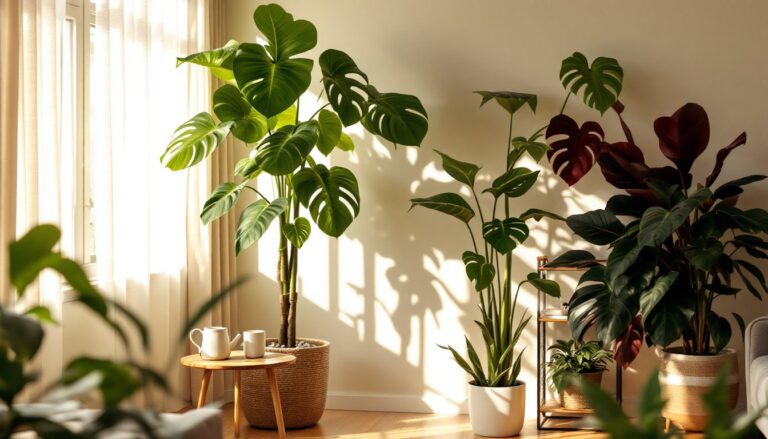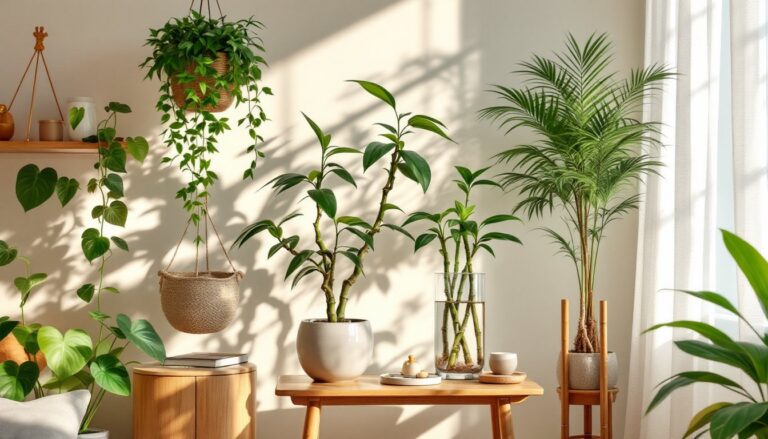
Adding house tree plants to your home is one of the quickest ways to transform a bland space into a living, breathing sanctuary. Unlike smaller houseplants that sit on shelves or tables, indoor tree plants anchor a room and create instant visual impact. They improve air quality, add personality to any corner, and, yes, actually make you feel better just by being around them. Whether you’re decorating a sprawling living room or filling a quiet corner office, the right tree plant can work wonders. This guide walks you through selecting, placing, and caring for indoor tree plants that’ll thrive in your specific space, no green thumb required.
Table of Contents
ToggleKey Takeaways
- House tree plants instantly transform bland spaces by anchoring rooms, improving air quality, and solving design problems like dark corners or awkward gaps.
- Beginner-friendly species like Dracaena, ZZ Plant, and Rubber Tree tolerate low to medium light, irregular watering, and neglect, requiring only basic supplies such as pots with drainage holes and potting soil.
- Match your tree’s light needs to your room—living rooms suit statement trees like Fiddle Leaf Fig, bedrooms work with low-maintenance ZZ Plants, and offices benefit from shade-tolerant species that thrive under fluorescent lighting.
- The key to keeping indoor tree plants healthy is watering only when soil is dry 1–2 inches down, rotating the plant every 2–4 weeks for even growth, and maintaining 40%+ humidity through misting or pebble trays.
- Mature house tree plants typically cost $30–$150 and require minimal ongoing maintenance, making them a cost-effective design solution compared to furniture or paint.
Why Indoor Tree Plants Transform Your Home
Indoor tree plants do more than fill vertical space, they change the atmosphere. A tall plant breaks up monotonous walls, draws the eye upward, and makes ceilings feel taller. More importantly, trees like pothos, snake plants, and rubber plants actively filter indoor air by removing toxins, which is backed by NASA research on indoor air purification.
From a practical DIY perspective, house tree plants also solve real design problems. That dark corner where nothing else works? A Dracaena thrives there. The awkward gap between your couch and window? A tall fiddle leaf fig fills it perfectly without blocking light. They also require less active decision-making than smaller plants scattered around, one statement tree per room beats juggling a dozen succulents.
Cost-wise, a mature indoor tree runs $30–$150 depending on height and rarity, which is reasonable compared to new furniture or paint. Most importantly, they’re beginner-friendly if you choose the right species for your light and lifestyle.
Top Indoor Tree Plants for Beginners
If you’re new to indoor gardening, start with species that forgive occasional neglect and don’t require constant fussing. The best starter trees tolerate low to medium light, irregular watering, and average humidity.
Dracaena (Dragon Tree) is nearly impossible to kill. It grows upright, stays narrow, and tolerates temperatures down to 50°F. Water every 10–14 days: let soil dry between waterings. The variety “Limelight” has neon-yellow streaked leaves and looks dramatic in any room.
ZZ Plant (Zamioculcas zamiifolia) might be the hardest-working tree for beginners. It tolerates low light, dry air, and infrequent watering, actually prefers it. Its glossy green leaflets create a feathery, tropical look without the fuss. You can go weeks without watering.
Rubber Tree (Ficus elastica) grows tall with broad, deep-green leaves. It appreciates bright, indirect light but survives in medium light. Water when the top inch of soil feels dry. Wipe leaves monthly with a soft, damp cloth to keep them glossy and aid photosynthesis.
These three require minimal equipment: a pot with drainage holes, basic potting soil, and a watering can. No special misting systems or grow lights needed.
Fiddle Leaf Fig and Other Low-Maintenance Options
Fiddle leaf fig (Ficus lyrata) is iconic, large, violin-shaped leaves that scream “I have my life together.” But here’s the honest part: it’s pickier than the three above. It wants consistent light (near an east or west window), humidity around 50%, and patience. If you’re willing to give it that, it rewards you with stunning growth.
For a fiddle leaf fig alternative that’s equally striking but tougher, try Weeping Fig (Ficus benjamina). It’s smaller, with delicate cascading leaves, and adapts better to variable light and occasional neglect than its cousin.
Umbrella Tree (Schefflera actinophylla) is another low-maintenance option. It grows upright with umbrella-like leaflets and tolerates low light and dry indoor air. Water when soil surface is dry: don’t overwater. It’s virtually pest-resistant.
All three of these perform well with Easiest House Plants to Keep Alive practices, consistent but infrequent watering, bright indirect light, and occasional leaf cleaning.
Best Tree Plants by Room and Lighting Conditions
Room selection isn’t just about aesthetics, it’s about matching the plant’s light needs to what your space actually offers. Mismatched light is the #1 killer of indoor trees.
Living Rooms and Bedrooms
Living rooms typically get the best natural light and are the heart of the home, so this is prime real estate for statement trees. A Fiddle Leaf Fig or Rubber Tree near an east or west window will grow vigorously. If your living room has south-facing windows, you have even more options: House Plants That Like Direct Sunlight include Dracaenas and certain Ficus varieties that thrive in bright conditions.
For bedrooms, where you spend less active time, choose something low-maintenance that doesn’t demand daily attention. ZZ Plant or Pothos (which climbs or trails from a tall stake) work beautifully. These tolerate the variable light many bedrooms receive and won’t stress you out if you forget to water on schedule.
One practical note: measure your ceiling height and the floor space where you’ll place the tree. A Dracaena grows 4–6 feet tall: a Rubber Tree can reach 8–10 feet indoors. Buy a pot that’s 2–3 inches wider in diameter than the nursery pot: repot every 18–24 months or when roots emerge from drainage holes.
Offices and Low-Light Spaces
Offices often face interior walls or north-facing windows, meaning lower light. This rules out sun-hungry species but opens doors to elegant shade-tolerant options.
ZZ Plant is your MVP here. It actually thrives under fluorescent office lighting and doesn’t mind neglect if you’re traveling or swamped. Corn Plant (Dracaena fragrans) similarly tolerates low light and adds height without demanding attention.
Peace Lily (Spathiphyllum) works in offices too, though it’s not a true tree, it grows tall enough to fill corner space. It signals thirst by drooping slightly, so you get visual feedback on watering needs.
For genuinely dim spaces (think basement corners or interior bathrooms with no windows), your options shrink. Honestly, this is where you might add a basic clip-on grow light, a 20W LED fixture runs $20–$40 and extends your planting options dramatically. Position it 6–12 inches above the plant canopy.
One more practical consideration: office trees benefit from Most Popular House Plants that tolerate temperature swings and dry HVAC air. Avoid humidity-loving species. Water less frequently than you’d think, office plants often sit stationary, so soil dries slower than in a warm home.
Care Tips for Healthy Indoor Trees
Watering is where most indoor gardeners stumble. The rule isn’t “water on Tuesday”, it’s “water when soil is dry 1–2 inches down.” Stick your finger in: if it’s moist, wait. This prevents root rot, the silent killer.
Use room-temperature, filtered water if possible (chlorine can irritate foliage over months). Pour until water drains from the bottom, then discard excess. Never let trees sit in standing water.
Light rotation matters too. Turn your tree 90° every 2–4 weeks so all sides photosynthesize evenly. Without rotation, plants grow lopsided toward the light source.
Humidity and misting: Most indoor trees come from tropical climates and appreciate moisture in the air. In dry homes (especially with heating in winter), mist foliage with a spray bottle twice weekly or place the pot on a pebble tray filled with water (keep the pot above the waterline so roots don’t sit wet). Humidity above 40% prevents brown leaf tips.
Fertilizing is straightforward but often unnecessary for young trees. In spring and summer, fertilize every 4–6 weeks with diluted liquid houseplant fertilizer (half-strength is safer than full-strength). Stop fertilizing in fall and winter when growth slows. Over-fertilizing causes salt buildup in soil and burns roots.
Pest checks: Inspect new plants and quarantine them for a week before placing them among other greenery. Common indoor tree pests include spider mites, mealybugs, and scale. Early detection is key, spray infested foliage with insecticidal soap according to label directions.
Repotting: When a tree outgrows its pot (roots poking from drainage holes, water running straight through), move it up one pot size. Use well-draining potting mix, not garden soil. Repot in spring when growth is most active, and water lightly for the first week after.
For detailed identification and care of specific plants, resources like Houseplants: A Field Guide provide species-by-species care charts. Bookmark it for reference.
Pruning: Trim dead or yellowing leaves at the base of the petiole (leaf stem). If a tree gets too tall, prune the top 6 inches to encourage bushier branching. Always use sterilized pruning shears (rubbing alcohol on the blades works) to prevent spreading fungal issues.
One final tip: take photos of your tree every month. Growth in indoor trees is slow and steady: photos prove progress even when your eye says nothing’s changing. It’s also proof that your method is working.