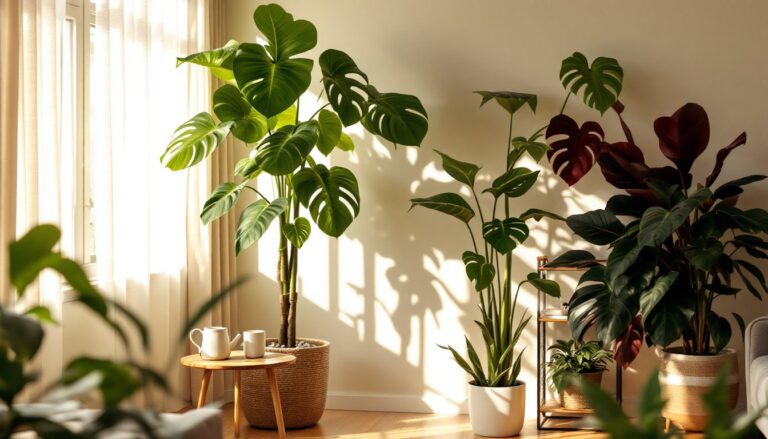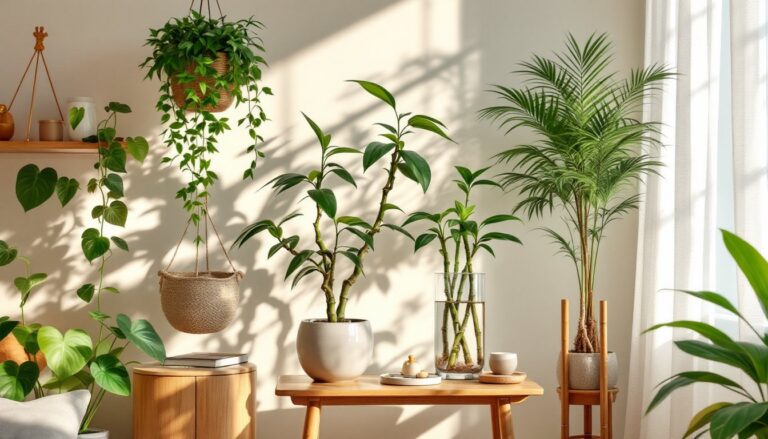
Real plants add life to a room, but they demand watering, sunlight, and the occasional revival from neglect. Tall fake plants offer a practical alternative for homeowners who want the aesthetic impact without the maintenance headaches. Whether your home lacks natural light, you’re juggling a demanding schedule, or you simply prefer decor that won’t wilt on you, artificial plants, especially tall varieties, deliver instant visual drama and year-round appeal. They’re no longer the dusty, plastic-looking relics of decades past. Modern tall artificial plants are designed with botanically accurate details, realistic textures, and quality construction that rivals living greenery from across the room. This guide walks you through selecting, placing, and maintaining tall fake plants to elevate your interior design.
Table of Contents
ToggleKey Takeaways
- Tall fake plants for indoor spaces eliminate watering, sunlight requirements, and maintenance stress while delivering instant visual impact and year-round aesthetic appeal without the guilt of plant casualties.
- Quality artificial plants use hand-tied leaves, realistic textures, and botanically accurate details that rival living plants from across the room, with prices ranging from $80–$300 depending on materials and realism.
- Strategic placement in soft-indirect light corners, paired with appropriately sized planters (12–16 inch diameter) and accent lighting, maximizes the visual drama of tall artificial plants while preventing UV fade and tipping.
- Tall indoor fake plants require minimal upkeep—monthly dusting with soft cloths or brushes, occasional stability checks, and careful relocation—making them ideal for renters, travelers, and low-light homes.
- Modern minimalist and sculptural artificial plant options work beautifully in contemporary and industrial spaces, while realistic silk varieties suit transitional and farmhouse interiors, allowing customization to any design aesthetic.
- A tall faux tree positioned strategically can create subtle room dividers, draw the eye upward to make ceilings appear higher, and provide five to ten years of color and shape retention in climate-controlled environments.
Why Tall Artificial Plants Are Perfect for Your Home
Tall artificial plants solve real problems. First, there’s the light issue. Many homes don’t have south-facing windows or bright corners, making it tough to keep real plants thriving. Artificial plants thrive anywhere, dark corners, windowless bathrooms, office nooks, without a single complaint.
Second, maintenance vanishes. No watering schedules, no brown leaf cleanup, no pest infestations. If you travel frequently, work long hours, or have a history of plant casualties, tall fake plants remove that guilt. They’re stable, too. A 6-foot silk ficus won’t suddenly drop leaves or get root rot if you forget to water it for three weeks.
Third, tall plants make an immediate visual impact. A room-height artificial palm or fiddle leaf fig instantly draws the eye upward, making ceilings feel higher and spaces feel more intentional. Unlike small potted plants scattered on shelves, a statement-height fake plant becomes a focal point. For apartment dwellers or renters, they’re also ideal because they don’t damage walls or require drainage holes, just a sturdy base and a corner.
Finally, the cost math works. A quality 5-to-7-foot artificial tree typically ranges from $80 to $300, depending on realism and materials. Real plants that reach that height cost far more, demand ongoing care investments, and may not survive winter or shipping. Over two to three years, an artificial plant pays for itself in saved water, fertilizer, and stress.
Popular Tall Fake Plant Styles and Options
Realistic Silk Trees and Ferns
Silk trees are the gold standard for artificial plants. Manufacturers use real leaf molds and hand-paint details to achieve stunning realism. A tall silk rubber tree ($150–$250) or pothos vine draping from a moss pole mimics nature convincingly enough to fool visitors from across the room.
Ferns present a different appeal. Tall fern trees (3–7 feet) add a tropical, layered texture that’s harder to achieve with broad-leaf trees. The feathery fronds catch light naturally and create movement even when still. Look for products made from polyester or silk blends, which hold color and shape longer than cheaper vinyl alternatives.
Realistic artificial plants usually feature hand-tied leaves, multiple height variations per branch, and natural color gradations, lighter greens at new growth, deeper tones elsewhere. Check product reviews and zoom into photos before buying: the difference between a convincing $200 tree and an obviously fake $40 one is significant.
Modern Minimalist and Statement Pieces
Not all tall fake plants aim for photorealistic mimicry. Modern minimalist artificial plants embrace clean lines, geometric shapes, and designer aesthetics. A tall architectural faux plant in white, black, or muted green works beautifully in contemporary or industrial spaces. Brands often use high-grade polyurethane and wire frames to maintain precise forms.
Statement pieces include oversized monstera plants, tall bird-of-paradise arrangements, and sculptural abstract greens that blur the line between art and decor. These aren’t trying to fool anyone, they’re making a design statement. They work especially well in modern living rooms, offices, or corners needing visual interest without the cottage-garden aesthetic.
When shopping, consider your room’s style. Realistic silk plants suit transitional, farmhouse, and eclectic spaces. Minimalist and sculptural pieces align with contemporary, mid-century modern, and Scandinavian interiors.
Placement and Design Tips for Maximum Impact
Height matters, but placement matters more. Position tall artificial plants in corners that receive soft, indirect light, a living room corner, hallway, or bedroom alcove. Avoid direct sunlight, which can fade synthetic materials and plastics over time. Unlike real plants, fake ones don’t photosynthesize, so they don’t need sun, but UV exposure degrades color.
Scale is critical. A 6-foot faux tree in a 9-foot-ceiling room dominates without overwhelming. In open-concept spaces, a tall plant creates a subtle room divider and draws the eye to areas you want to emphasize. Group artificial plants intentionally, a tall tree paired with a lower potted arrangement, for example, rather than scattering them randomly.
Consider House Plants with Big for inspiration on bold foliage aesthetics. Similarly, designers often reference Tall Indoor House Plants for understanding how height impacts room perception, even when those plants are artificial.
Floor-standing pots and planters anchor tall plants visually. Choose containers that match your decor, ceramic, concrete, woven baskets, or sleek modern planters. A 6-foot plant in a 10-inch pot looks top-heavy: go for a planter with a 12- to 16-inch diameter base and adequate weight (ceramic or concrete, not plastic) to prevent tipping.
Lighting is a designer’s trick. Position a floor lamp or accent light near (or slightly behind) a tall artificial plant to cast its shadow on the wall, adding depth and drama. This shadows-and-silhouette technique works especially well for detailed ferns or branching trees. It makes the plant feel more integrated into the room’s atmosphere rather than a standalone object.
For smaller spaces, hang tall artificial plants. Wall-mounted trailing vines or vertical living wall panels with faux greenery add height without eating floor space, ideal for apartments and studios.
How to Care for and Maintain Tall Artificial Plants
Fake plants require far less maintenance than real ones, but they’re not maintenance-free. Dust is the primary enemy. Over months, dust settles on leaves and dulls colors and texture. Use a soft microfiber cloth or feather duster monthly to gently wipe leaves and branches. For plants with delicate, detailed fronds, a soft-bristle brush (like a clean paint brush or old toothbrush) works well. Avoid paper towels, which can snag fibers.
For heavier dust buildup, a handheld vacuum with a soft brush attachment (on low power) removes accumulated particles without damaging leaves. Never use solvents, polish, or water sprays unless the product label specifically allows it, most synthetic materials don’t respond well to moisture.
Basically, the process is straightforward: dust regularly, check the base and pot for stability, and rotate the plant occasionally so it wears evenly. A tall artificial plant positioned away from direct sunlight, in a climate-controlled room, should maintain color and shape for five to ten years or longer.
If leaves become damaged, some manufacturers offer replacement leaf packs, though these can be pricey. For minor issues, trim loose threads with scissors and adjust bent stems gently. Large Indoor Plants: Transform Your Space with Air-Purifying, Mood-Boosting Beauties covers real-plant maintenance extensively, but the takeaway applies to fakes too: inspect regularly and address problems early.
When relocating, transport tall plants carefully. Remove them from pots, wrap the foliage loosely in kraft paper or cloth, and tape it gently so branches don’t bend or snap during transport. Reassemble at the new location, fluff leaves back into shape, and ensure the pot sits level and stable.
Conclusion
Tall fake plants have evolved into stylish, low-maintenance solutions for homeowners seeking visual impact without the upkeep. Whether you choose photorealistic silk trees or sculptural modern pieces, these décor statements work in virtually any space and style. With thoughtful placement, a quality planter, and basic dusting routines, tall artificial plants deliver year-round beauty and transform rooms instantly. For anyone tired of plant casualties or living in low-light environments, they’re a smart, practical investment.