If you’ve ever thought about bringing a splash of green into your home but feared you’d end up with a collection of sad, wilting leaves, you’re not alone. The world of house plants can seem daunting at first, but it’s actually a journey that leads to joy, beauty, and a sense of accomplishment. Let’s face it: you don’t have to be a horticultural genius to cultivate a thriving indoor jungle. In fact, with just a few key plants and a smidge of know-how, anyone can blossom as a green thumb. So, are you ready to embark on this leafy adventure? Let’s dig in.
Why Choose House Plants?
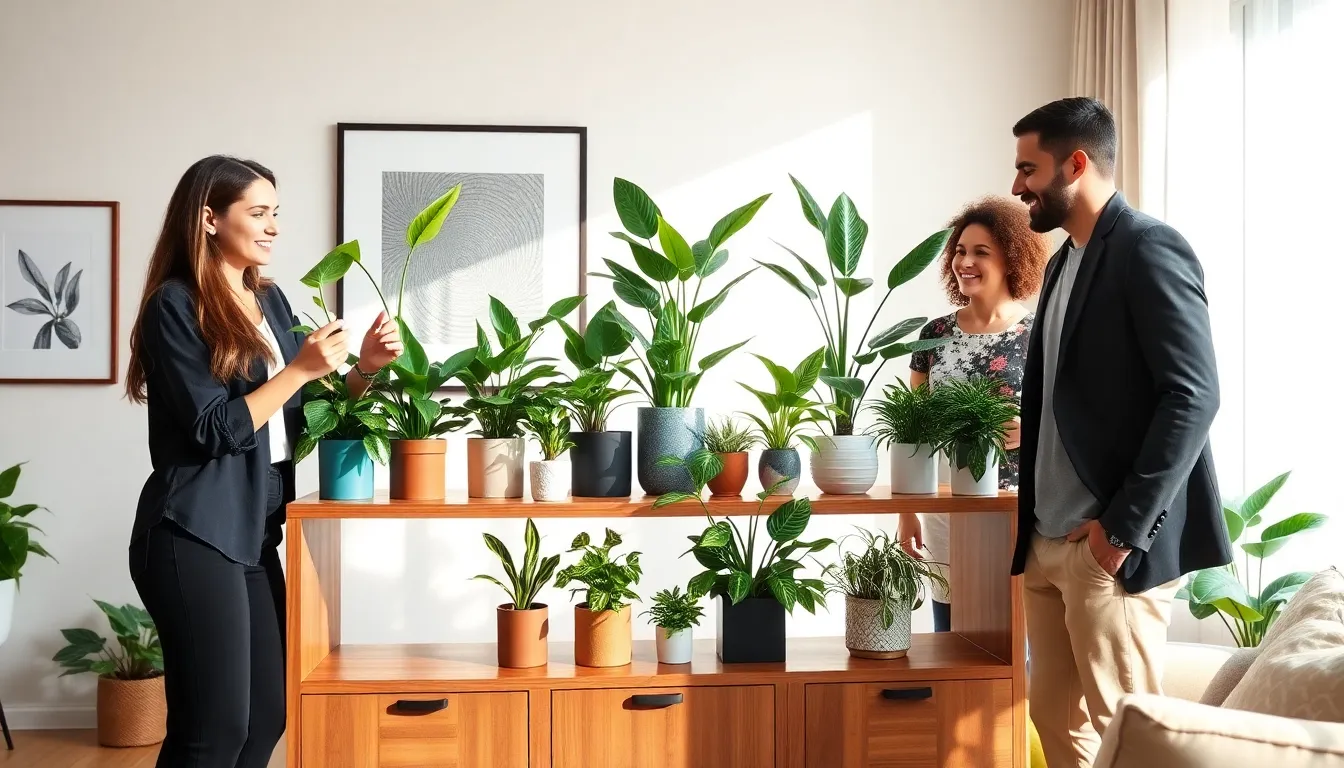
House plants offer a wealth of advantages that extend beyond their charming looks. For those still on the fence, here’s why introducing greenery into your living space can be a game changer.
Benefits of House Plants
Let’s start with the obvious, they’re beautiful. House plants can instantly elevate the decor of any room. Brightening up a dull corner or adding color to a bookshelf can lead to stunning transformations in your home.
But aesthetics aside, plants practically act as natural air purifiers. By absorbing toxins and releasing oxygen, they contribute to a healthier environment. Who wouldn’t want fresher air while working from home?
Improving Air Quality
Research shows that certain house plants can remove common indoor pollutants such as formaldehyde, benzene, and carbon monoxide. Breathing cleaner air can lead to improved concentration and productivity. Studies have even indicated that obtaining plants can help reduce stress levels. Perspective shifts may just come from those little green companions.
Enhancing Aesthetics and Mood
House plants don’t just add beauty: they also boost your mood. Nature has a remarkable way of making people feel happier and more relaxed. There’s nothing quite like the sight of vibrant greenery to lift your spirits after a long day. Plus, designing your space with plants can be a fun, creative outlet, whether it’s creating a small indoor garden or arranging them for maximum aesthetic appeal.
Easy House Plants for Beginners
Starting a plant collection doesn’t have to be complicated. Here are five easy-to-care-for house plants perfectly suited for beginners.
Top 5 Low-Maintenance Options
- Spider Plant: This hardy plant thrives in a wide range of conditions. With its lush arching leaves and charming baby spiderettes, it’s a delightful addition to any household.
- Pothos: Considered one of the easiest house plants to care for, Pothos can survive in low light and irregular watering. Its beautiful trailing vines are perfect for hanging baskets.
- Snake Plant: Perfectly named, the Snake Plant is incredibly resilient. It withstands neglect and can handle low light, making it ideal for beginners.
- Zamioculcas Zamiifolia (ZZ Plant): This plant is a champion of low light and requires minimal watering. Its glossy leaves are not only attractive but also help improve air quality.
- Peace Lily: Known for its elegant white flowers and air-purifying qualities, the Peace Lily thrives in low light and prefers to dry out between waterings.
Basic Care Tips for House Plants
Even the simplest plants need some level of care. Here are a few essential tips to keep your house plants happy and healthy.
Watering Techniques
Generally, house plants prefer to dry out slightly between waterings. A good rule of thumb is to stick your finger into the soil. If the top inch feels dry, it’s time to water. Always ensure your pots have drainage holes to avoid waterlogged roots.
Understanding Light Requirements
Different plants have varying light needs. Some prefer bright, indirect sunlight, while others thrive in low-light conditions. Identifying the right spot in your home for each type of plant can make a significant difference in their health.
Soil and Potting Choices
The right soil can do wonders for your plants. Generally, a well-aerated potting mix is preferable, but specific plants may require special soil blends. Likewise, choose pots with suitable drainage to allow excess water to escape.
Fertilizing Your Plants
Fertilizing can help your plants flourish, especially during their growing season. A balanced, water-soluble fertilizer every few months should suffice, but be sure to follow the instructions on the package.
Common Mistakes to Avoid
Even seasoned plant parents make mistakes. Here are the most common pitfalls and how to steer clear of them.
Overwatering and Underwatering
Finding the perfect balance when watering can be tricky. Overwatering is often a bigger threat than underwatering, as it can lead to root rot. Make sure to assess your plant’s specific needs and adjust your watering schedule accordingly.
Neglecting Light Needs
Ignoring a plant’s light requirements can lead to stunted growth or even plant demise. Take the time to understand where natural light falls in your home and position plants accordingly. A simple relocation can make all the difference.
Ignoring Pests and Problems
Noticing something off with your plants? Address any pest issues or diseases promptly. Keeping an eye on your plants can prevent minor problems from turning into major disasters. Regular checks will help you spot discoloration or insect infestations early.