Want lush, vibrant greenery without leaving your living room? Indoor tropical plants bring warmth, color, and a touch of paradise into any home, no vacation required. Whether you’re a seasoned plant parent or picking up your first fern, growing tropical plants indoors has become easier and more popular than ever. The trick isn’t luck: it’s understanding what these heat-loving plants need and setting up the right conditions. This guide walks you through everything from ideal lighting and humidity to the best tropical species for your space, plus year-round care tips to keep your indoor jungle thriving through every season.
Table of Contents
ToggleKey Takeaways
- Tropical plants indoor require consistent warmth, bright indirect light (6–8 hours daily), and 50–80% humidity to thrive, making controlled home environments ideal for replicating their natural rainforest habitat.
- Forgiving starter species like Pothos and Monstera Deliciosa are perfect for beginners because they tolerate lower light levels and adapt well to typical home conditions while still delivering visual impact.
- Proper watering is critical—check soil moisture 1–2 inches deep before watering, and always use pots with drainage holes to prevent root rot, the leading cause of plant failure.
- Boost indoor humidity by grouping plants together, using pebble trays, placing plants in bathrooms or kitchens, or running a room humidifier rather than relying on misting alone.
- Feed tropical plants every 2–4 weeks during spring and summer with diluted liquid fertilizer, but reduce feeding in fall and stop completely in winter when growth naturally slows.
- Be honest about your space’s conditions—if your home is dry, cold, or dim, start with the easiest house plants or invest in grow lights and humidifiers rather than fighting against unsuitable growing conditions.
Why Tropical Plants Thrive as Indoor Decor
Tropical plants aren’t just beautiful, they’re practical. They add visual interest, improve air quality, and create a calming atmosphere that’s proven to reduce stress. Unlike many houseplants that go dormant or lose leaves in winter, tropical varieties stay lively year-round indoors because you’re essentially mimicking their natural environment.
They’re also incredibly forgiving once you nail the basics. Tropical plants evolved in warm, humid climates with consistent indirect light. Indoor spaces can replicate these conditions far more easily than outdoor gardens in temperate zones. Plus, there’s real variety: you can grow trailing vines, dramatic statement plants with big leaves, flowering species, and compact tabletop specimens all within your home.
For DIYers and decorators alike, tropical plants indoor solve a major design challenge. They fill vertical space, soften hard architectural lines, and work in corners where little else thrives. Best of all, they don’t require the maintenance of a traditional outdoor garden, no weeding, pest spraying (usually), or seasonal prep.
Essential Growing Conditions for Tropical Indoor Plants
Getting the environment right is half the battle. Tropical plants need consistent warmth, bright indirect light, and humidity. If you skip any of these, your plant will tell you, yellowing leaves, slow growth, and brown tips are common signs something’s off.
Light Requirements and Placement
Tropical plants crave bright, indirect light. Direct afternoon sun through a west-facing window can scorch foliage, especially delicate species. East or north-facing windows work beautifully: so does a sheer curtain filtering harsh midday rays. Most tropical houseplants need 6–8 hours of bright light daily to maintain vibrant color and steady growth.
If your home doesn’t have enough natural light, don’t panic. A grow light positioned 6–12 inches above the plant for 12–14 hours daily fills the gap. LED grow bulbs are energy-efficient and don’t generate excessive heat. Rotate your plants every few weeks so all sides get even exposure and growth stays balanced.
Humidity and Temperature Control
This is where many indoor gardeners stumble. Tropical plants evolved in humid environments, think rainforests, not desert windowsills. Indoor homes, especially heated ones, often hover around 30–40% humidity. Your tropical plants want 50–80%.
Here’s how to boost humidity without turning your home into a sauna: Group plants together so they create a microclimate. Use a pebble tray (a shallow dish filled with pebbles and water, plant sits on top, not in water) under pots. A room humidifier works wonders and benefits your skin too. Misting leaves with lukewarm water helps, though it’s more of a temporary fix. Bathroom and kitchen environments naturally stay humid: these are prime plant real estate.
Temperature matters equally. Keep your space between 65–75°F during the day and slightly cooler at night. Tropical plants hate cold drafts and sudden temperature swings. Keep plants away from heating vents, AC units, and cold windowpanes in winter. Most will struggle if exposed to temperatures below 50°F.
Best Tropical Plants for Indoor Spaces
Not all tropical plants are equally suited to indoor life. Here are proven winners that tolerate typical home conditions and reward consistent care.
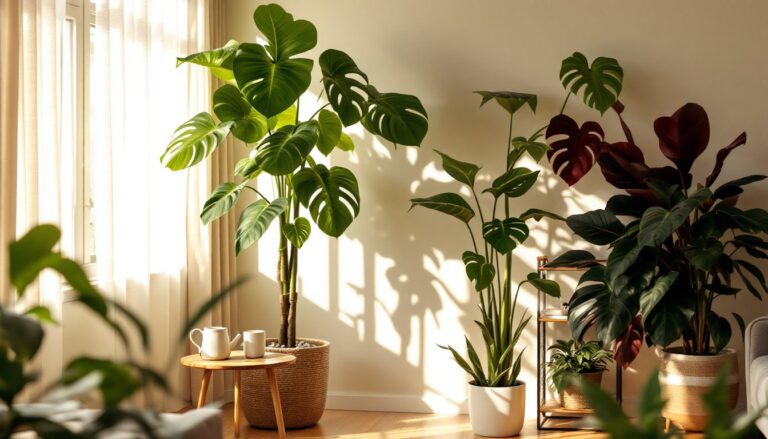
Monstera Deliciosa (Swiss Cheese Plant) is a classic choice. It grows slowly indoors, tolerates low-to-medium light better than most, and develops those signature split leaves as it matures. Mature specimens can reach 6–8 feet tall, making them statement pieces. Water when the top inch of soil feels dry: don’t overwater or root rot will set in.
Pothos (Devil’s Ivy) is nearly impossible to kill. It vines beautifully on trellises or cascades from shelves, adapts to low light, and grows fast. This one’s a starter-plant favorite for good reason. Most popular house plants lists Pothos high because of its resilience.
Bird of Paradise brings drama. It’s slower to establish than others but rewards patience with orange and blue flowers resembling its namesake. It needs bright light and warm conditions but grows steadily indoors in the right spot.
Calathea and Maranta (Prayer Plants) are tropical darlings for foliage. Their leaves fold up at night (hence the name), displaying stunning patterns. They’re humidity lovers, a bathroom or kitchen is ideal. Keep soil consistently moist but not soggy. Prayer plants provide detailed guidance on care and varieties.
Rubber Plant (Ficus elastica) grows tall and makes a bold visual statement with its dark, glossy leaves. It tolerates medium light and grows steadily with infrequent watering once established. Wipe leaves monthly to remove dust and keep them photosynthesizing at peak efficiency.
Alocasia (Elephant Ear) impresses with huge, sculptural leaves. It’s more demanding, needs bright light, consistent warmth, and steady moisture, but the visual payoff is worth it for a dedicated grower.
Care and Maintenance Tips for Year-Round Growth
Tropical plants aren’t maintenance-free, but they’re close once you establish a routine. The key is consistency.
Watering is the biggest killer. Tropical plants want moist soil, not waterlogged roots. Stick your finger 1–2 inches into the soil: if it’s dry, water until it drains from the bottom. If it’s moist, wait. Most tropical plants prefer pots with drainage holes and well-draining potting mix (cactus or orchid mixes work). Overwatering causes root rot faster than underwatering kills a plant.
Feeding matters during the growing season (spring and summer). Use a balanced, diluted liquid fertilizer every 2–4 weeks. Cut back in fall and stop in winter when growth naturally slows. Too much fertilizer burns roots and creates excess salt buildup in soil.
Repotting happens every 12–18 months for fast growers or when roots emerge from drainage holes. Spring is ideal. Move up just one pot size (2 inches larger in diameter) and refresh the soil. Don’t go too large or excess soil holds moisture and invites root issues.
Cleaning leaves isn’t just cosmetic. Dust blocks light and harbors pests. Wipe leaves gently with a soft, damp cloth monthly. Avoid “leaf shine” products: plain water does the job.
Pest prevention is easier than treatment. Indoor tropical plants rarely face severe pest pressure, but spider mites and mealybugs occasionally show up in low-humidity homes. Regular misting and inspection catch problems early. If pests appear, isolate the plant, spray with neem oil or insecticidal soap, and repeat weekly until clear.
Seasonal adjustments matter. In winter, reduce watering (soil dries slightly slower in cool temps), dial back fertilizer, and ensure adequate light. Many tropical plants slow dramatically in winter, that’s normal. Spring brings growth spurts and increased water/nutrient needs. Easiest house plants can serve as a benchmark for more forgiving varieties if you’re starting out.
One honest note: if your home is dry, cold, or dim, tropical plants will struggle. Supplement with a humidifier, reposit closer to windows, or accept that some tropical species simply won’t thrive in your space. There’s no shame in that, pick plants suited to your actual conditions rather than fighting against them.
Conclusion
Growing tropical plants indoors transforms your home into a living, breathing oasis. Success boils down to mimicking their native warm, humid, bright environment, and being honest about what your space can realistically provide. Start with forgiving species like Pothos or Monstera, nail your humidity and light setup, and watch your indoor jungle flourish. The payoff is worth it: year-round greenery, cleaner air, and a daily reminder that paradise doesn’t require a plane ticket.