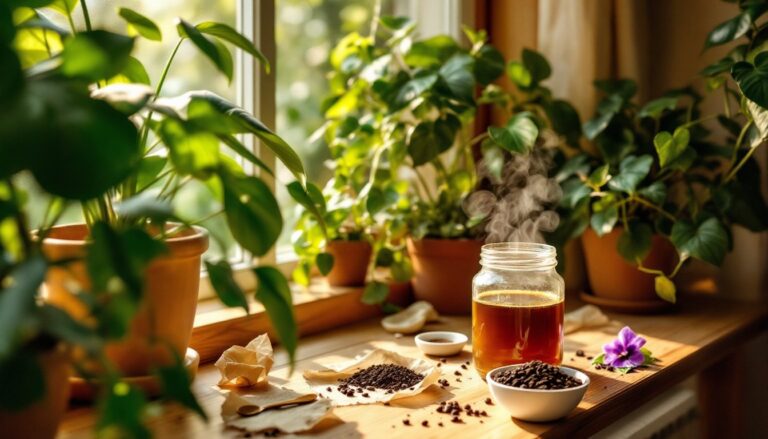
Indoor plants brighten spaces, purify air, and bring life to any room, but they can’t photosynthesize their way to perfect health without proper nutrition. Unlike outdoor plants drawing nutrients from rich soil, potted plants depend on you to keep them fed. Liquid fertilizers are the fastest, most efficient way to deliver those essential nutrients, dissolving directly into water so roots absorb them immediately. This guide walks you through why liquid fertilizers outperform their solid cousins, which products actually work for different plants, and exactly how to apply them without burning roots or wasting money. Whether you’re nursing a struggling fiddle leaf fig or keeping succulents thriving, the right liquid fertilizer makes all the difference.
Table of Contents
ToggleKey Takeaways
- Liquid fertilizers for indoor plants dissolve directly into water, delivering nutrients immediately to roots with precise control over nitrogen, phosphorus, and potassium ratios.
- Always water your plant with plain water first, wait an hour, then apply diluted liquid fertilizer solution to prevent root burn and ensure even nutrient distribution.
- Match the fertilizer NPK ratio to your plant type: all-purpose (10-10-10) for foliage, higher phosphorus (2-7-6) for flowering plants, and half-strength formulas for succulents.
- Feed indoor plants only during active growing season (spring and summer) every 2–4 weeks, and skip feeding during fall and winter dormancy to avoid wasting product.
- Overfeeding is the most common mistake—it causes salt buildup, brown leaf edges, and stunted growth, so start with half-strength doses until you see how your plant responds.
- Signs your indoor plants need fertilizing include slow growth, pale or yellowing lower leaves, and plants that have lived in the same soil for over a year.
Why Liquid Fertilizers Work Best for Indoor Plants
Liquid fertilizers dissolve directly into water, making nutrients immediately available to roots without the guesswork of granular or pellet products. When you water, the solution moves through soil quickly, getting where it needs to go fast, crucial for container plants with limited root space. Solid fertilizers break down slowly (sometimes over months), releasing nutrients unevenly: liquid products let you control exactly how much nitrogen, phosphorus, and potassium your plant gets each watering cycle.
Indoor plants also sit in stable temperatures and controlled light, which means their growth patterns are predictable. They don’t face the season-to-season nutrient demands of outdoor gardens, so a consistent, measured feeding schedule works better than slow-release products designed for variable weather. Liquid fertilizers let you dial in a routine: dilute to the package’s recommended strength, feed every 2–4 weeks during the growing season (typically spring and summer), and skip it during dormancy.
Another honest advantage: liquid fertilizers show results faster. Most growers see greener leaves and stronger stems within days or a week, it’s easier to spot what’s working. If a plant reacts badly (brown leaf tips from over-fertilizing, for example), you’ve caught it quickly and can adjust. Solid products buried in soil are harder to dial back.
Top Liquid Fertilizer Picks for Different Plant Types
All-purpose liquid fertilizers (typically labeled with equal NPK ratios like 10-10-10 or 5-5-5) work fine for foliage plants like pothos, philodendrons, and snake plants, anything you want to stay green and bushy. Look for products that list secondary nutrients (calcium, magnesium, iron) since indoor soils can lack these over time.
Fowering houseplants and orchids need a different pitch. They demand higher phosphorus (the middle number in NPK) to encourage blooms. A 2-7-6 formulation, or something labeled “bloom booster,” steers energy toward flowers instead of leafy growth. If you’re growing Large Indoor Plants and orchids together, keep two bottles handy, or stick to a balanced formula and accept slightly fewer blooms.
Succulents and cacti are another story. They thrive on dilute feeding, half or quarter strength, because they evolved in nutrient-poor environments and can’t handle the same concentration as tropical plants. Over-feeding succulents triggers soft, weak growth that invites rot.
Leafy tropical plants like monsteras, rubber trees, and dieffenbachias appreciate a boost of nitrogen during spring and summer. Some growers rotate: balanced formula every other watering, then an extra nitrogen dose the next time. An expert like those featured in <a href="https://www.gardenista.com/posts/ask-expert-puneet-sabharwal-troubleshooting-top-5-houseplant-issues/”>guides on troubleshooting houseplant issues often recommend DynaGro or Good Dirt Plant Food as reliable liquid options for feeding houseplants through their growth phases.
How to Apply Liquid Fertilizer Correctly
Start by reading the label. Most liquid fertilizers come concentrated and must be diluted with water, never apply straight from the bottle. A typical dose might be one teaspoon per gallon of water, but verify the instructions (concentrations vary wildly). Measure carefully: a 5-gallon bucket or watering can with measurement marks makes this foolproof.
Water the plant first with plain water. This is the single most important step DIYers skip. Fertilizer applied to dry soil can burn roots: watering first hydrates the soil and lets nutrients spread evenly. Wait an hour, then water again with the diluted fertilizer solution. The two-stage watering protects roots and ensures thorough nutrient delivery.
Apply only during the active growing season (spring and summer for most houseplants). Indoor growth slows dramatically in fall and winter, so feeding then wastes product and can push weak, stretchy growth under low light. Resume feeding when you see fresh growth in early spring.
Organic vs. Synthetic Liquid Fertilizers
Synthetic (chemical) fertilizers dissolve instantly and deliver precise nutrient ratios, excellent for control and consistency. Organic options (seaweed extract, fish emulsion, compost tea) release nutrients more gradually and often include trace minerals and beneficial microbes, though the smell can be… robust. Seaweed fertilizers, for example, smell like low tide but provide iodine and potassium that promote disease resistance.
For indoor plants in living rooms and bedrooms, most people prefer synthetic products for their neutral smell and ease. If you’re willing to tolerate the aroma, organic products are slightly gentler on roots and harder to overdose. Some growers use a blend: organic feed every third watering, synthetic the rest of the time. Your plants don’t care which you choose, they just need consistent nutrition and proper dilution.
Common Mistakes to Avoid
Overfeeding is the most common killer. Indoor plants don’t need as much nutrition as outdoor gardens or commercial growers suggest. Feeding every week burns roots and causes salt buildup in soil, which shows up as brown leaf edges and stunted growth. Stick to the label dose, and if you’re unsure, dilute to half strength until you see how your plant responds. You can always feed more: you can’t unfeed.
Applying fertilizer to dry soil is the second mistake. Always water plain first, wait a bit, then apply your diluted solution. Parched soil can’t hydrate roots evenly, so nutrients concentrate in spots and cause burn.
Forgetting seasonal dormancy trips people up. Your ZZ plant or peace lily isn’t growing much in January and February, feeding it then wastes money and pushes soft, weak growth. Save fertilizer for the active season.
Ignoring the NPK ratio is another pitfall. Feeding a flowering plant with straight nitrogen (all foliage, no blooms) defeats the purpose. And overloading a succulent with a tropical formula can rot it. Match the fertilizer to your plant type.
Finally, don’t ignore brown leaf tips or yellowing that shows up shortly after feeding. That’s over-fertilizing screaming at you. Stop feeding immediately, flush the soil with plain water (run it through thoroughly), and wait a month before trying again at half strength. Large House Plants Low Light setups are especially sensitive to salt buildup, so err on the side of caution.
Signs Your Indoor Plants Need Fertilizing
Slow or stunted growth during spring and summer is the clearest signal. Indoor plants rely on you for nutrition, so if new leaves unfurl slowly or the plant hasn’t grown noticeably in two months, it’s hungry. Pale or yellowing lower leaves (not the usual leaf-drop from aging) point to nitrogen deficiency. Weak, thin stems or small new growth suggest a lack of overall nutrients.
Plants that have been in the same soil for over a year also benefit from feeding. Potting soil exhausts its nutrient content as plants drink and roots absorb what’s available. Even well-draining, quality soil can’t sustain a houseplant indefinitely without replenishment.
If you just repotted into fresh soil, hold off on feeding for 4–6 weeks. New potting mixes come pre-charged with nutrients: adding fertilizer too soon is overkill. Water only, and let the plant adjust. Then begin a regular feeding schedule as growth resumes.
Conversely, if your plant shows brown leaf tips, soft stems, or stunted growth even though regular water, stop feeding immediately. That’s over-fertilization, a different problem requiring you to back off and flush the soil. Tall Indoor House Plants and climbing varieties often show stress from excess salt before smaller plants do, so watch them closely.
Conclusion
Liquid fertilizers are the most practical, controllable way to keep indoor plants thriving. Start with a quality all-purpose formula, dilute correctly, water first, and stick to a spring-and-summer feeding schedule. Match the NPK ratio to your plant type (more phosphorus for flowering plants, half-strength for succulents), and you’ll avoid the worst pitfalls that trip up new growers. Feed light, feed steady, and let your plants tell you when they need more. The Dutch House of Plants aesthetic isn’t just about having plants, it’s about keeping them healthy. The right liquid fertilizer takes you there.