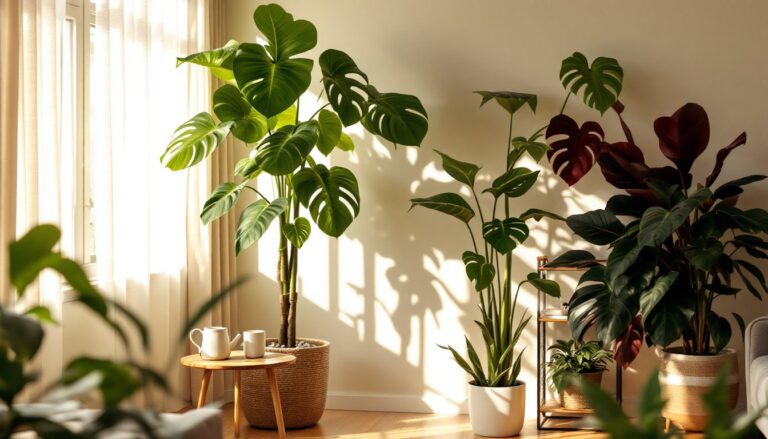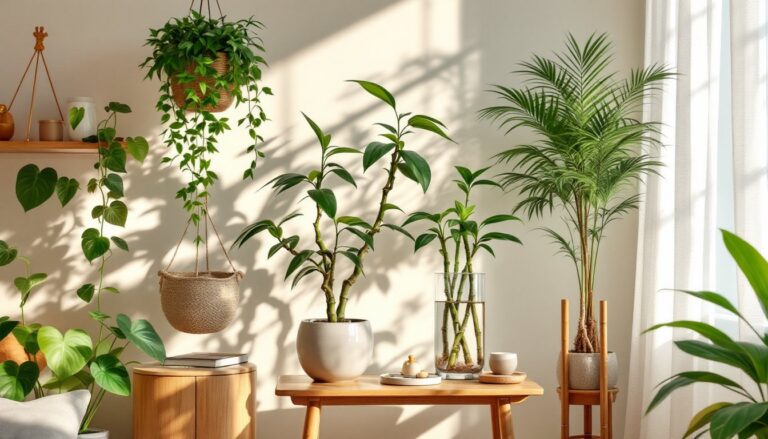
Whether you’re just starting your indoor plant journey or expanding an established green collection, Costa Farms has become a household name for good reason. This Florida-based grower supplies garden centers, big-box retailers, and online platforms with thousands of healthy, pre-grown plants that arrive ready to thrive in your home. Costa Farms indoor plants range from beginner-friendly options like pothos and snake plants to showstopping statement pieces that elevate any room’s aesthetic. We’ll walk you through what makes Costa Farms a trusted source, which varieties work best in different light conditions, and how to set up your plants for long-term success.
Table of Contents
ToggleKey Takeaways
- Costa Farms indoor plants arrive mature and well-established with healthy root systems, making them ideal for both beginners and experienced plant owners.
- Low-light champions like pothos, snake plants, ZZ plants, and cast-iron plants are Costa Farms bestsellers that thrive in offices and dimly lit rooms without special care.
- Avoid overwatering by checking soil moisture before each watering session—most Costa Farms plants prefer drying slightly between waterings to prevent root rot.
- Set up your Costa Farms plant for success by choosing the right location first, inspecting roots, repotting only if necessary, and allowing 1–2 weeks for adjustment to new conditions.
- Layer plants by height, upgrade basic nursery pots to decorative planters with drainage holes, and group Costa Farms selections together to create attractive focal points that enhance any room’s aesthetic.
- Most Costa Farms indoor plant varieties are acclimated to standard indoor humidity (30–60%), so misting is usually unnecessary—focus instead on consistent light, temperature, and watering habits.
Why Costa Farms Is a Trusted Source for Indoor Plants
Costa Farms has earned its reputation by shipping mature, well-established plants rather than tiny nursery starts. Their plants typically arrive in solid grow pots with established root systems, not limp, struggling specimens that require weeks of nursery care. The company operates greenhouses across multiple states and partners with retailers like Home Depot and local nurseries, so you’ll find their plants through many channels.
When you buy a Costa Farms plant, you’re getting a specimen that’s been hardened off in a commercial growing environment. That means better vigor and faster acclimation to your home. The variety selection is also impressive: they produce dozens of proven houseplant varieties, from common standby’s to trendy modern selections. Their focus on proven growers, plants that don’t require exotic humidity or finicky care, aligns well with the reality of home growing. You’ll see Costa Farms plants labeled at retailers, and their reputation for quality shipping and packaging means plants typically arrive in better condition than smaller growers can manage.
Best-Selling Costa Farms Indoor Plant Collections
Costa Farms offers a broad range, but a few categories dominate their bestseller lists and for good reason, they’re reliable, attractive, and adaptable to most home settings.
Low-Light Champions for Darker Rooms
Not every room gets south-facing sunlight, and that’s where Costa Farms’ low-light performers shine. Pothos (Epipremnum aureum) is one of their top movers: it tolerates indirect light, rarely shows stress, and actually prefers lower light than many houseplants. Cast-iron plants, appropriately named for their toughness, live up to the hype and handle neglect most other plants wouldn’t survive. Snake plants (Sansevieria) are another staple that Costa Farms ships frequently, they’re architectural, modern-looking, and genuinely thrive in offices and bedrooms with minimal natural light.
ZZ plants work the same way: they’re slow-growing, architectural, and nearly impossible to kill through underwatering or low light. These varieties don’t need a grow light or special care: they simply ask for basic water and air circulation. For someone furnishing a basement office or a dim hallway, these are your reliable workhorses.
Trending Decorative Varieties for Modern Homes
Beyond the classics, Costa Farms capitalizes on current design trends. Fiddle Leaf Figs remain popular for larger spaces where they can stretch to full height. Monstera deliciosa (the split-leaf philodendron look-alike) became a viral favorite and Costa Farms grows them at scale, delivering younger specimens that are less expensive than specialty growers. Rubber plants in burgundy or deep green add serious visual weight to contemporary décor without demanding special conditions.
Larger specimens like the Costa Farms Live Norfolk Island Pine, which you can find through specialty retailers, cater to homeowners building statement corner plantings or green walls. Variegated options, like pothos with white or gold streaking, appeal to designers and decorators looking for visual contrast. Costa Farms also produces themed collections (like “plant combo packs” for terrariums or “office plant bundles”) that simplify selection for DIY buyers.
Care Tips for Costa Farms Plants in Your Home
Costa Farms plants are raised in professional nurseries with consistent conditions, moving them into your home is a transition. Here’s how to keep them thriving:
Watering is the most common failure point. Costa Farms plants arrive in moisture-retentive nursery soil: check soil moisture before watering, not on a rigid schedule. Stick your finger an inch into the soil, if it’s moist, wait. If it feels dry, water thoroughly until it drains from the bottom. Most houseplants prefer drying slightly between waterings over constant wetness, which invites root rot.
Light depends on the plant. Low-light plants like pothos, ZZ, and cast-iron plant tolerate 50–200 foot-candles of indirect light. Brighter-light plants (figs, monsteras, rubber plants) want 200+ foot-candles and perform better near a filtered east or north window than in dimly lit corners. If your plant’s growth slows or leaves look pale, it’s usually light-deprived, not thirsty.
Humidity matters, but not as much as people think. Costa Farms plants are acclimated to indoor humidity levels (30–60%), so misting isn’t usually necessary. If leaves get dusty, wipe them gently with a soft, damp cloth quarterly, it improves photosynthesis and makes the plant look sharper. Bathrooms and kitchens naturally provide more moisture: plants there often thrive without extra attention.
Temperature should stay between 60–75°F for most Costa Farms varieties. Avoid placing plants directly in drafts from heating vents, AC units, or cold windows in winter, temperature swings stress plants more than steady, moderate temperatures. Fertilize monthly during growing season (spring and summer) with a balanced houseplant fertilizer diluted to half strength. Costa Farms plants arrive adequately fertilized, so hold off for 4–6 weeks before starting a feeding schedule.
Setting Up Your Costa Farms Plants for Success
Arriving home, your Costa Farms plant needs a proper setup to transition smoothly:
Step 1: Choose a location. Place the plant in your intended long-term spot for a few days before repotting. This minimizes shock and lets you observe light levels at different times. Check that the spot isn’t directly under AC, heating vents, or a heat source like a radiator.
Step 2: Inspect the root system. Gently remove the plant from its grow pot and examine roots. Healthy roots are white to light tan and firm. If roots are circling tightly (pot-bound), gently tease them apart. Costa Farms plants usually arrive well-potted but not rootbound.
Step 3: Repot if necessary. If roots are circling aggressively or the soil is soggy, repot into a container 1–2 inches larger in diameter using well-draining potting mix (not garden soil). Most houseplant soils work fine: avoid heavy mixes marketed for outdoor planting. Water thoroughly after repotting and allow drainage.
Step 4: Water and wait. After repotting, give the plant a week to settle before establishing a watering routine. Check soil moisture frequently in that first week, but don’t water on schedule, let the plant’s needs guide you. Easiest house plants to keep alive thrive when they’re not overthought.
Step 5: Monitor for adjustment. Some leaf drop or slower growth in the first 2–3 weeks is normal as plants adjust to different light and humidity. It’s not cause for alarm. Consistent conditions beat frequent fussing.
Integrating Costa Farms Plants Into Your Home Décor
Costa Farms plants work as both functional air-purifying elements and design pieces. Here’s how to integrate them thoughtfully:
Layering by Height is a design-savvy move. Place low-growing pothos on shelves or plant stands, mid-level plants like rubber plants on side tables, and taller specimens (figs, monsteras) in floor corners. This creates visual rhythm and makes rooms feel fuller without clutter. Large indoor plants anchor spaces: pair them with smaller Costa Farms selections for a cohesive look.
Pot Selection influences the entire presentation. Costa Farms ships in basic nursery pots, neutral but functional. Upgrading to ceramic, concrete, or decorative planters adds personality. Make sure new pots have drainage holes: soil sitting in water kills plants quickly. The pot size should be only slightly larger than the grow pot to avoid overwatering risk.
Grouping plants creates focal points. Three plants of varying heights, say, a pothos, a snake plant, and a monstera, arranged in a corner or along a bookshelf become a statement green wall without the maintenance of actual living walls. This approach also improves humidity around plants through transpiration.
Lighting Layers matter for aesthetics too. Costa Farms plants in darker corners of rooms can be paired with a simple grow light (now sleek and decorator-friendly) to solve both the plant’s light needs and add warm ambient light to the space. Resources like The Spruce and Hunker offer design strategies for blending plants into modern interiors. Most popular house plants are trending because they photograph well and blend with contemporary décor, use that to your advantage.