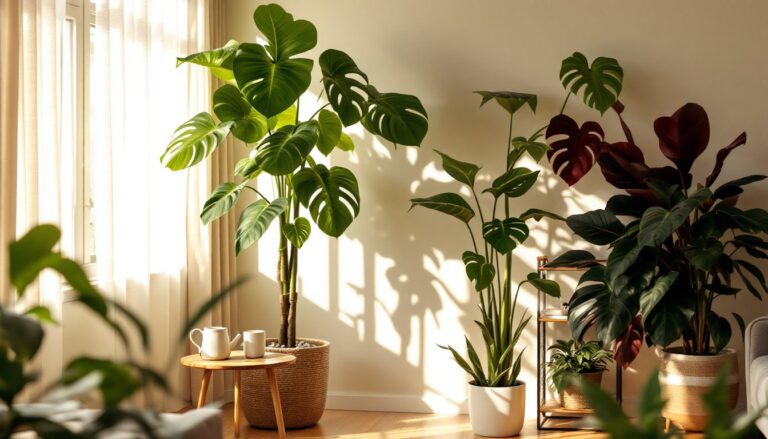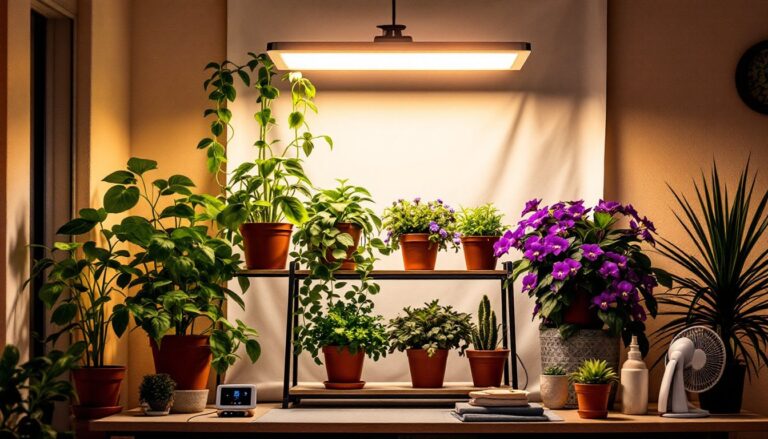
If you’ve ever stared at a cup of coffee grounds heading for the trash and wondered if there’s a better use for them, you’re onto something. That spent coffee is actually a goldmine for indoor plant care, especially if you’re looking to keep your green friends healthy without constantly buying expensive fertilizers. Coffee grounds are packed with nitrogen, potassium, and other nutrients plants crave, and they cost you nothing but a quick rinse. Whether you’re nursing a struggling fiddle leaf fig or coaxing a new pothos to life, coffee grounds offer a straightforward, budget-conscious way to dial in better nutrition. Let’s walk through exactly how to use them, which plants respond best, and the pitfalls to sidestep so your indoor garden thrives.
Table of Contents
ToggleKey Takeaways
- Coffee grounds are a free, nutrient-rich organic amendment packed with nitrogen, potassium, and phosphorus that improve soil structure and suit most acid-loving indoor plants.
- Always dry used coffee grounds for 2–3 days before applying them directly to soil or mixing into potting soil to prevent mold and root rot.
- Apply dried coffee grounds every 4–6 weeks during growing season in a thin layer (¼ to ½ inch) around the plant base, or brew a gentler coffee ground tea to water sensitive plants.
- Skip coffee grounds for succulents, cacti, and ZZ plants, which prefer drier, neutral soil and can develop root rot from the extra moisture retention.
- Avoid overdoing coffee grounds—too much too often can cause nitrogen toxicity and salt buildup; monitor plant response and reduce frequency if leaves yellow or growth stalls.
- Use only homemade coffee grounds to avoid commercial pesticides and additives; coffee grounds complement but don’t replace proper light, drainage, and pest management strategies.
Why Coffee Grounds Are Great for Indoor Plants
Coffee grounds aren’t just a caffeinated treat for humans, they’re a solid organic amendment for soil. Used grounds are rich in nitrogen, which fuels leaf and stem growth, plus potassium and phosphorus that support flowering and root development. Unlike synthetic fertilizers, coffee grounds release nutrients slowly as they break down, so you’re not risking nutrient burn or pH swings that can stress your plants.
Another win: coffee grounds improve soil structure. As they decompose, they add organic matter that helps the soil hold moisture and oxygen without compacting, a real benefit in standard indoor potting mixes that can get dense over time. The slightly acidic nature of grounds (pH around 6.0–6.8) also suits most houseplants, especially acid-loving types like gardenias and blueberries.
Practically speaking, coffee grounds are free. If you brew a pot daily, you’ve got a steady supply of plant food. That means no more guilt about tossing them, and no more picking up pricey bottled fertilizers just to feed a handful of plants. It’s the kind of zero-waste move that makes good sense on a budget and for the environment.
Which Indoor Plants Benefit Most from Coffee Grounds
Not every houseplant is a coffee ground fan, so knowing which ones to treat is important. Acid-loving plants thrive with coffee amendments: African violets, azaleas, blueberries, gardenias, and hydrangeas all appreciate the lower pH boost. If you’re into beginner-friendly houseplants, a rubber plant or monstera will happily take coffee grounds and reward you with robust growth.
Ferns, philodendrons, and pothos are also solid candidates. These forest-floor dwellers naturally grow in rich, slightly acidic soil, so coffee grounds mimic their native environment. Succulents and cacti? Skip the grounds, they prefer drier, neutral to alkaline soil, and the extra moisture retention that coffee grounds provide can lead to root rot.
You can find detailed care advice on house plants for beginners to match your skill level with the right species. If you’re already growing large indoor plants like figs or bird of paradise, those larger specimens benefit from the nutrient boost and improved soil structure. Always check your specific plant’s preferences before dosing it with grounds, a quick search on your plant’s name plus “coffee” or “acidic soil” usually gives you a fast answer.
How to Use Coffee Grounds on Your Indoor Plants
Direct Application Methods
The simplest approach is to sprinkle dried, used grounds directly on top of the soil surface. Brew your coffee as usual, let the grounds cool, spread them on a paper towel or plate to dry out (2–3 days), and store them in a jar until you’re ready to use them. When applying, scatter a thin layer, about ¼ to ½ inch, around the base of your plant, being careful not to pile them against the stem (that can trap moisture and invite rot). Gently work them into the top inch or two of soil with your finger or a small tool.
Do this every 4–6 weeks during the growing season (spring and summer). In fall and winter, plants slow down, so cut back to once a month or skip it altogether. Each plant’s needs vary, so start conservatively and adjust based on growth. If leaves start yellowing or growth stalls, you may have overfed, reduce frequency. If your plant isn’t responding, bump up to twice monthly.
Another direct method is to mix dried grounds into fresh potting soil before repotting. Use a ratio of about one part grounds to five parts soil by volume. This distributes the nutrition throughout the root zone and prevents hot spots. This approach works especially well when you’re moving a plant to a larger pot or refreshing old, compacted soil.
Creating Coffee Ground Tea
Coffee ground tea (sometimes called “coffee compost tea”) is messier to prepare but excellent for plants that need a quick nutrient hit. Fill a jar with water and add a handful of used, dried grounds. Let it steep for 24–48 hours at room temperature, stirring occasionally. The water will turn tan to brown as nutrients leach out. Strain out the solids (compost them or keep them for direct application) and water your plants with the liquid.
This method is gentler on sensitive plants and gives roots a lighter dose of nutrients without direct contact with the grounds themselves. It’s also useful if your soil is already nutrient-rich or slightly alkaline, the diluted approach won’t lower pH as much as straight grounds will. Use coffee tea once every 2–3 weeks during growing season, applying it as you would any other watering.
Common Mistakes to Avoid
Using fresh, wet grounds is the #1 pitfall. Fresh coffee grounds are prone to mold and can compact into a soggy, airless mat that suffocates roots. Always dry them out first. If you’re in a humid climate or dealing with a persistently damp indoor environment, pay extra attention, mold loves that combo.
Applying too much, too often is the second trap. Coffee grounds are nutrient-dense, and more isn’t always better. Overdoing it can lead to nitrogen toxicity (weird leaf colors, weak growth) or salt buildup in the soil. Stick to the 4–6 week schedule for direct application and monitor your plant’s response.
Ignoring your plant’s actual needs is a real issue. Just because coffee grounds are beneficial doesn’t mean every plant wants them. Succulents, snake plants, and ZZ plants are notorious for sitting in dry soil, adding water-retentive grounds sets them up for rot. If you’re unsure, check the plant’s native habitat or water requirements first.
Forgetting to match application to soil condition matters too. If you’re already using a rich, acidic potting mix or feeding regularly with a dilute fertilizer, adding coffee grounds on top might push nutrient levels too high. Test this by feeding one plant and not another, then compare growth after a month.
One more: don’t assume grounds from a coffee shop are the same as yours. Commercial grounds may have residual pesticides, flavorings, or other additives. Stick with grounds you’ve brewed at home. If you’re looking to solve specific plant problems like gnats in house plants, coffee grounds alone won’t solve infestations, you’ll need targeted pest control. Grounds can help discourage gnats if they’re kept dry and not overapplied, but they’re not a replacement for proper sanitation and integrated pest management.
Conclusion
Coffee grounds are a practical, no-cost way to boost indoor plant health, if you use them thoughtfully. Dry them first, apply sparingly to acid-loving species, and adjust based on your plant’s response. They won’t solve every problem, but as part of a broader care routine that includes proper light, water, and pot drainage, they’re a solid win. Your plants will thank you, and so will your wallet.