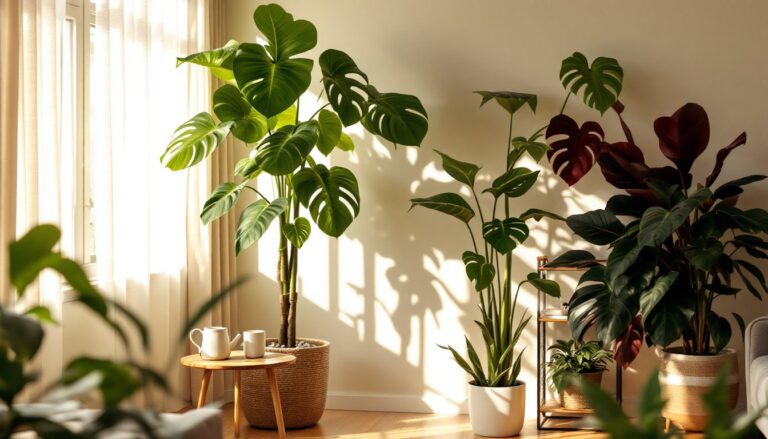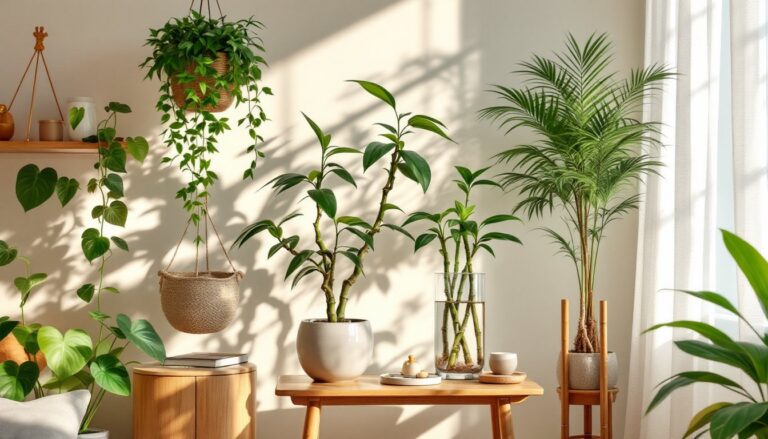
Indoor air quality matters more than most homeowners realize. The EPA reports that indoor air can be two to five times more polluted than outdoor air, thanks to off-gassing from furniture, cleaning products, and poor ventilation. The good news? You don’t need an expensive air purifier to tackle toxins like formaldehyde, benzene, and xylene. Air purifying plants work quietly in the background, absorbing carbon dioxide and releasing oxygen while filtering harmful chemicals from your breathing space. Whether you’re furnishing a bedroom, office, or living room, these hardy varieties double as living décor while keeping your family healthier. Let’s dig into the best options for every skill level and space constraint.
Table of Contents
ToggleKey Takeaways
- Air purifying indoor plants remove harmful chemicals like formaldehyde and benzene while doubling as living décor, offering a cost-effective alternative to mechanical air purifiers.
- Spider plants and pothos are the best starting choices for most homeowners because they tolerate low light, irregular watering, and adapt to various spaces.
- Snake plants stand out for producing oxygen at night and thriving in neglect, making them ideal for bedrooms and offices, though they’re toxic to pets.
- Plant size and quantity directly impact air purification effectiveness—larger, mature plants or clusters provide more noticeable results than single small pots.
- Pet safety is critical: spider plants and Boston ferns are non-toxic, while snake plants, pothos, and peace lilies are toxic and should be placed out of reach.
- Regular leaf maintenance, consistent watering practices matched to your lifestyle, and strategic placement near pollution sources maximize the air-purifying benefits of indoor plants.
Spider Plant: The Virtually Unkilltable Air Cleaner
If there’s a plant that deserves a participation trophy for resilience, it’s the spider plant. This trailing beauty thrives in indirect light and tolerates irregular watering, making it perfect for forgetful plant parents. Spider plants excel at removing formaldehyde and xylene, two common indoor air pollutants found in synthetic fabrics and cleaners.
The spider plant’s elongated, arching leaves create visual interest without demanding much from you. It produces small white flowers followed by baby plantlets (called “spiderettes”) that dangle from runners, giving you free propagation material for other rooms. Place one in a bright kitchen window or hanging basket in a bedroom, and you’ve got an air-purifying workhorse.
Water when the top inch of soil feels dry, and fertilize monthly during growing season. They’re tough enough to bounce back from neglect, but consistent care keeps them lush. If leaf tips brown, it’s often mineral buildup from tap water, switch to distilled water or let tap water sit overnight before using.
Peace Lily: Elegance Meets Air Purification
The peace lily brings understated sophistication to any room while tackling ammonia, formaldehyde, and benzene. Its deep green leaves and elegant white spathes (the modified leaves that look like flowers) make it a furniture-friendly accent that doesn’t scream “houseplant.”
One standout feature: the peace lily actually tells you when it’s thirsty. When water runs low, the plant visibly droops, and a single drink perks it back up within hours. This makes watering intuitive rather than guesswork. That said, they prefer consistently moist (not waterlogged) soil and moderate to low indirect light, so avoid placing one in a dark corner expecting it to thrive.
The main drawback? All parts of the peace lily are toxic to pets and children, so placement matters. Keep it on a high shelf or plant stand if you have curious cats or young kids. They’re also prone to spider mites in dry indoor air, so mist the leaves weekly with water or place the pot on a pebble tray to boost humidity. Repot every year or two as the plant grows.
Snake Plant: Low Maintenance, Maximum Results
The snake plant (also called sansevieria) is the no-fuss champion of air purification. Its striking variegated or solid-green upright leaves tolerate neglect better than almost any other houseplant, making it ideal for offices, entryways, or bedrooms where you might forget about it.
Snake plants are exceptional at removing formaldehyde while producing oxygen at night, a rare trait among plants. This makes them particularly valuable in bedrooms, where they work their magic while you sleep. They thrive in bright to moderate indirect light and prefer to dry out between waterings. Overwatering is the #1 killer, so err on the side of underwatering, especially in cooler months. Water roughly every 3-4 weeks, or even less in winter.
These plants also grow slowly but steadily, and they’re nearly impossible to kill through neglect. A Sansevieria can live for decades with minimal fussing. Like the peace lily, snake plants are toxic to pets, so keep them out of reach. One practical tip: wipe the leaves with a damp cloth every month or two to remove dust and maximize their air-purifying efficiency.
Pothos: The Climbing Purifier for Any Space
Pothos (also called devil’s ivy) is a trailing vine that adapts to almost any light condition, from bright indirect windows to the shadiest corners of your home. Its heart-shaped leaves are forgiving and visually soft, and it removes formaldehyde, benzene, and xylene as it grows.
You can grow pothos upright with a moss pole, as a trailing cascade from a hanging basket, or along a shelf. Its flexibility makes it work in living rooms, bathrooms, or dimly lit hallways where other air-purifying plants might struggle. Water when the top inch of soil is dry, they’re less picky than snake plants but still prefer to dry out somewhat between waterings. In low light, water less frequently to avoid overwatering.
Pothos propagates easily from cuttings, so you can multiply your air purification coverage for free. Just snip a 4-6 inch stem, place it in water or moist soil, and roots appear within a week or two. Note that pothos is also toxic to pets and can become invasive if grown outdoors in warm climates, so keep it contained indoors. Many homeowners choose pothos specifically because it fills empty wall space while cleaning the air.
Boston Fern: Humidity Control and Toxin Removal
Boston ferns are the humidity lovers of the air-purifying plant world. Their delicate, feathery fronds remove xylene and formaldehyde while naturally humidifying dry indoor air, a major win if you’re battling forced-air heating or air conditioning.
These ferns need consistent moisture (not waterlogged) and high humidity to avoid brown, crispy fronds. Mist them daily, place them on pebble trays filled with water, or group them near other plants to create a humid microclimate. They prefer bright, indirect light and struggle in hot, dry spots. In the right conditions, think a bathroom or kitchen with morning light, they thrive and look lush.
Boston ferns are non-toxic to pets, making them a safe choice if your home includes curious cats or dogs. They’re also not as trendy as snake plants or pothos, so they add a nostalgic, cottage-garden vibe to interiors. The trade-off? They’re fussier than other options on this list and may drop fronds if humidity drops suddenly. If you’re willing to mist regularly and provide consistent moisture, the air-purifying payoff and humidity boost make them worthwhile.
Choosing the Right Air Purifying Plant for Your Home
The best air-purifying plant for your home depends on three factors: available light, your watering consistency, and whether pets are in the picture.
Light levels matter. Snake plants and pothos tolerate low light: spider plants and peace lilies prefer moderate indirect light: Boston ferns need brighter conditions. Before buying, observe which rooms get consistent natural light and which are darker.
Watering habits count. If you water sporadically, go with snake plants or pothos. If you like a routine and don’t mind misting, Boston ferns are beautiful. Spider plants and peace lilies fall somewhere in between, they’re forgiving but don’t enjoy complete neglect.
Pet safety is non-negotiable. Snake plants, pothos, and peace lilies are toxic: spider plants and Boston ferns are safe. If you have pets, choose accordingly. Eco houseplants often pair well with pet-safe options for multi-benefit living spaces.
For most homeowners, starting with a spider plant or pothos is smart. Both are nearly impossible to kill, adapt to various lighting, and clean the air reliably. Once you feel confident, branch out to peace lilies or Boston ferns for more visual variety.
Care Tips to Maximize Air Purification
Plant size and quantity matter. Smaller plants purify less air: larger, mature plants or clusters of multiple plants create more noticeable effects. A single 6-inch potted plant doesn’t replace a mechanical air purifier in a large room, but it contributes meaningfully to air quality.
Dust blocks air purification. Wipe or shower plant leaves monthly to remove dust buildup, which clogs pores and reduces the plant’s ability to absorb toxins. Use room-temperature water or a gentle leaf shine product made for houseplants.
Root health drives leaf health. Use well-draining potting soil (not garden soil), ensure pots have drainage holes, and repot annually or every 18 months. Healthy roots mean vigorous growth and better air-cleaning performance. For larger investments, large indoor plants offer faster purification results and visual impact in open spaces.
Position plants strategically. Place them near sources of pollutants, shelving near synthetic fabrics, windowsills near off-gassing furniture, or desks near electronics. This maximizes their ability to intercept airborne toxins before they circulate throughout your home.