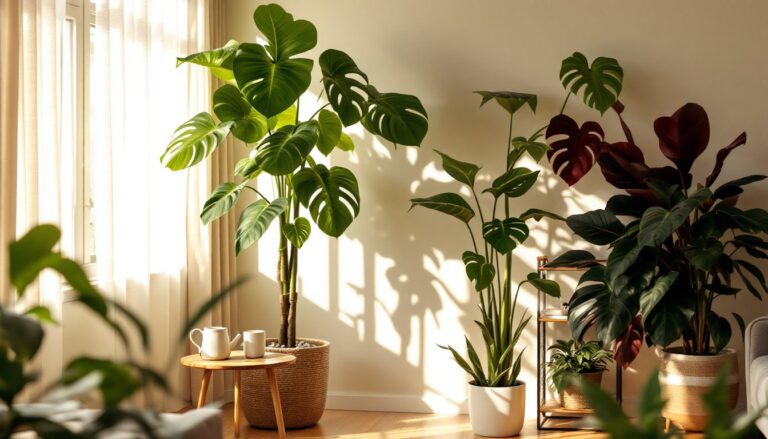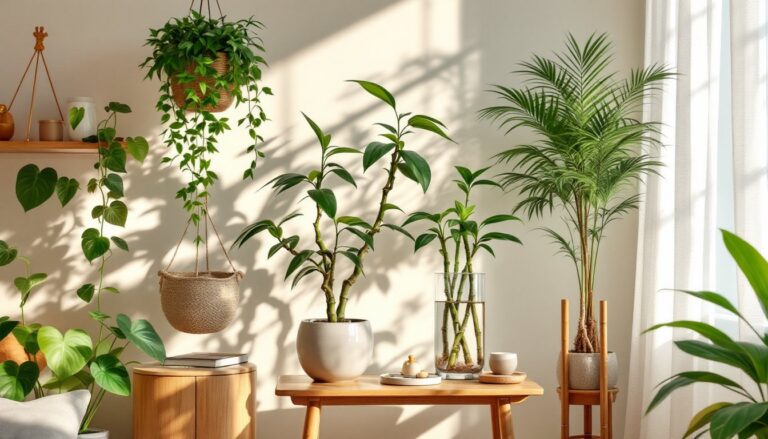
Colorful indoor plants do more than just fill empty corners, they fundamentally change how a room feels. Whether you’re drawn to deep burgundy leaves, striking pink variegation, or neon-bright foliage, these plants deliver visual impact while cleaning your air and boosting your mood. The best part? Many of today’s showiest colorful plants are easier to care for than they were five years ago, thanks to better propagation and availability. If you’ve been hesitant about bringing bold botanical colors indoors, 2026 is the year to start. This guide walks you through why colorful indoor plants matter, which varieties work best for beginners, and the concrete care steps that keep those vibrant hues from fading.
Table of Contents
ToggleKey Takeaways
- Colorful indoor plants act as living artwork that transforms spaces and solves decorating problems without expensive renovations, while also purifying air and boosting mood.
- Beginner-friendly colorful indoor plants like Calatheas, Stromanthes, Coleus, and Prayer Plants require consistent light, humidity, and proper watering—not complex botanical expertise.
- Light is the primary driver of vibrant foliage colors; east or north-facing windows provide the ideal bright, indirect light without color-fading harsh sun exposure.
- Humidity maintenance through grouping plants, pebble trays, and monthly misting prevents brown leaf edges and keeps colors and textures consistent on colorful plants.
- Regular fertilizing during growing season (spring through early fall), monthly leaf cleaning, and pest inspections preserve the vibrant hues and visual impact of colorful indoor plants.
Why Colorful Indoor Plants Transform Your Space
A room with only green plants is fine. A room with colorful foliage is memorable.
Colorful indoor plants act like living artwork. A Calathea orbifolia with its silvery-white pinstripes or a Syngonium podophyllum in coral pink doesn’t just sit there, it draws the eye and creates depth. Color psychology is real: warm tones energize, cool tones calm, and variegated patterns command attention without overwhelming.
Beyond aesthetics, colorful plants solve practical decorating problems. If your space feels sterile or dominated by neutrals, adding a few bold plants costs far less than repainting or buying new furniture. They also work for renters who can’t alter walls or install fixtures.
The 2026 plant trend toward variegated and pigmented foliage reflects what experts are seeing. Recent houseplant trends show renewed interest in plants with striking leaf patterns and color variations, confirming that colorful specimens are moving beyond niche collector status into mainstream home decor. Most colorful plants also double as air-purifying varieties, so you’re getting function with your form.
Best Colorful Indoor Plants for Beginners
Not every showy plant demands a botanist’s touch. Here are the easiest colorful varieties to start with if you’re building confidence.
Calathea and Stromanthe Varieties
Calathea and Stromanthe are closely related and equally stunning. Calatheas feature intricate pinstripes or mosaic patterns, deep greens with white, pink, or red undersides. Stromanthes add another layer: their leaves curl slightly at the edges and reverse to show bright red or pink undersides, especially when the light changes.
Both thrive in medium, indirect light (a north or east-facing window works well). They prefer humidity, think of them as tropical understory plants. Mist them 2-3 times per week or set them on a pebble tray filled with water. The key mistake beginners make is overwatering. Water when the top inch of soil feels dry, typically every 7-10 days, and use distilled or filtered water to avoid brown leaf tips from hard water minerals.
Temperature matters too: keep them between 65–75°F. Avoid cold drafts from windows or AC vents. If leaves curl excessively or edges brown, humidity is usually the culprit, not light. These plants are forgiving once you dial in moisture and humidity.
Coleus and Prayer Plants
Coleus is the bold extrovert of colorful plants. Varieties come in sunset oranges, deep purples, lime greens, and combinations that look hand-painted. Prayer plants (Maranta and related genera) are more subdued but equally striking, with deep red veins and bronze patches on a pale green background.
Coleus actually prefers bright, indirect light, even a few hours of morning sun, to show its best colors. In low light, it gets leggy and colors fade. Water when the soil surface dries out: coleus hates being waterlogged but also won’t tolerate drought. Prayer plants are similar but slightly more shade-tolerant. Both are compact and bushy, making them perfect for shelves or desks.
Coleus is technically easy from cuttings and propagates in water within a week, making it fun for sharing with friends. Plant propagation techniques show that both coleus and prayer plants root reliably, even for beginners. Pinch the growing tips monthly to encourage bushiness instead of a single tall stem. These plants reward attention with vigorous growth and deeper colors.
Care Tips for Keeping Colors Vibrant
Colorful foliage fades if care lags. Here’s what separates vibrant plants from dull ones.
Light is the primary color driver. Each variegated or pigmented plant has a “sweet spot” for light. Too little, and the plant redirects energy to leaf production over color: variegation fades and purples flatten to green. Too much direct sun scorches tender foliage and bleaches colors. East or north-facing windows are usually ideal, bright without harsh afternoon rays. If you’re uncertain, watch the plant for two weeks. If colors look muted or new growth comes in solid green, shift it closer to a light source.
Humidity keeps leaf texture and color consistent. Dry air stresses plants and brings out brown edges or dull finishes. Group colorful plants together to create a humid microclimate. A pebble tray (a shallow dish with pebbles and water beneath the pot) works well. Misting is supplementary but not sufficient alone, air circulation matters too. A small fan on low speed prevents stagnant air and fungal issues while maintaining moisture.
Fertilizing during the growing season (spring through early fall) deepens colors. A balanced, diluted liquid fertilizer (like 10-10-10 NPK) applied every 3-4 weeks supports healthy leaf development. Phosphorus (the middle number) particularly supports pigmentation. Reduce or skip fertilizer in winter when growth slows. Overfertilizing causes weak, pale growth.
Soil quality affects long-term vigor. Colorful plants generally prefer well-draining mixes rich in organic matter. A standard indoor potting mix amended with orchid bark or coco coir improves drainage and aeration. Repot every 12-18 months in spring, before the plant outgrows its pot. Fresh soil refreshes nutrient reserves without shocking the plant.
Pest management protects colors. Spider mites and mealybugs love indoor plants, especially in dry environments. Check leaf undersides monthly for sticky webbing or cottony clusters. Early infestations respond to neem oil spray or insecticidal soap applied every 7-10 days until resolved. Quarantine new plants for a week before placing them near established ones. Home design and gardening tips emphasize prevention through regular plant inspections and humidity control as first-line pest defense.
Leaf cleaning preserves color clarity. Dust dims the vibrant hues and blocks light absorption. Wipe leaves gently with a soft, damp cloth monthly. Avoid commercial leaf shine products, they clog pores. Plain distilled water and a microfiber cloth work just as well. This simple step immediately brightens any colorful plant.
Conclusion
Colorful indoor plants transform ordinary spaces into vibrant, living rooms without major renovations. Calatheas, Stromanthes, Coleus, and Prayer Plants all deliver stunning hues while staying manageable for first-time plant parents. The real secret isn’t complexity, it’s consistency: steady light, appropriate humidity, and regular attention. Start with one or two varieties, nail the basics, and build from there. Your home will thank you.