Bathrooms are notoriously dim, humid spaces, the opposite of what most gardening guides suggest is ideal for houseplants. Yet that’s exactly what makes them perfect for certain low-light bathroom plants. Instead of fighting against those conditions, you can embrace them by choosing species that actually thrive in moisture-rich, naturally shaded environments. This guide walks you through the best options for adding greenery to your bathroom without the guilt of watching plants slowly fade. Whether your bathroom has a small window or none at all, these seven varieties will flourish where other plants would simply languish.
Table of Contents
ToggleKey Takeaways
- Bathroom plants thrive in low-light, humid conditions because they evolved in tropical rainforest understories where pothos, snake plants, and ferns prefer naturally shaded environments.
- Pothos is an ideal low-light bathroom plant that tolerates inconsistent watering, high humidity, and poor lighting while growing fast enough to trim for propagation projects.
- Snake plants and ZZ plants are nearly indestructible bathroom plants that photosynthesize efficiently in low light and should be watered every 3–4 weeks, with the most common mistake being overwatering.
- Ferns, peace lilies, and philodendrons flourish in moisture-rich bathrooms without needing direct sunlight, with consistent humidity reducing the need for frequent watering.
- Proper placement away from exhaust vents and heat sources, combined with adequate drainage holes and minimal monthly fertilizing during growing season, ensures bathroom plants stay healthy and thrive year-round.
Why Bathrooms Are Ideal for Low-Light Plants
A bathroom’s humidity is often viewed as a problem. The steamy air from showers, the constant moisture from sinks and tubs, it’s typically not the environment anyone associates with thriving plants. But from a plant’s perspective, it’s a gift.
Most low-light plant species evolved in tropical rainforest understories, where they received dappled sunlight and lived in warm, humid air year-round. Your bathroom mimics those conditions remarkably well. The warmth from hot showers, the moisture that hangs in the air, and the indirect light from small windows or bathroom exhaust fans create an environment where tropical houseplants feel at home.
This is why choosing the right plants matters. Standard garden-variety houseplants like sun-loving herbs or bright-light succulents will struggle in your bathroom. But the seven varieties covered in this guide are adapted to precisely these conditions, they’re not just surviving in low light and humidity: they actually prefer it. When you match the plant to the environment instead of fighting against it, watering becomes less frequent, fertilizing is minimal, and the plant does what it was designed to do: grow.
Pothos: The Ultimate Bathroom Vine
Pothos (Epipremnum aureum), also called Devil’s Ivy, is the bathroom plant equivalent of a reliable workhorse. It tolerates low light, inconsistent watering, and high humidity without complaint. The trailing vines naturally adapt to whatever conditions you provide, which is why it’s often the first plant people recommend to someone without a green thumb.
In a bathroom, pothos grows best on a shelf or hanging from a hook near the shower. The humidity from your daily hot showers keeps the soil consistently moist without you having to obsess over watering. The indirect light filtering through a small bathroom window is plenty for pothos to photosynthesize. Even bathrooms with no windows will work, fluorescent or LED bathroom lighting provides enough illumination for slow, steady growth.
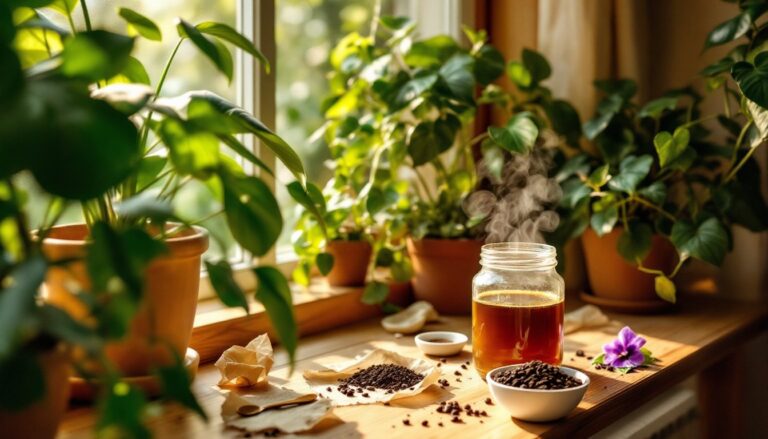
One practical note: trim it occasionally to prevent it from taking over. Pothos grows fast once it’s happy, and an unmanaged vine can become leggy or overrun a small space. Use sharp pruning shears to cut back stems, and stick the cuttings in water to propagate new plants. You can keep a small mason jar of rooting pothos on your bathroom windowsill as a propagation project. Placement matters too, keep it away from direct heat vents or cold drafts from exhaust fans that cycle rapidly. The plant tolerates temperature swings, but consistency is better.
Snake Plants and Other Hardy Succulent Options
Snake plants (Sansevieria trifasciata) defy the typical succulent reputation for preferring dry air. While most succulent varieties would rot in a humid bathroom, snake plants are genuinely indifferent to moisture. They’re almost impossible to kill, tolerating months of neglect, irregular watering, and low light without showing stress. If you’ve killed every plant you’ve ever owned, start here.
Snake plants grow upright with sword-like leaves, so they work well on bathroom counters, shelves, or corners where a trailing vine wouldn’t fit. They photosynthesize efficiently in low light, and the humid air won’t cause the root rot issues that plague succulents in wetter climates. Water deeply every 3–4 weeks, allowing the soil to dry between waterings. In winter, stretch that interval to 6–8 weeks.
ZZ plants (Zamioculcas zamiifolia) are another hardiness winner for bathrooms. Like snake plants, they’re nearly indestructible and thrive in low-light conditions that would cause other foliage plants to struggle. Both species release oxygen through the night (via Crassulacean Acid Metabolism), making them excellent choices for bedroom or bathroom placement if you want air-purifying benefits.
The trade-off is growth rate: snake plants and ZZ plants grow slowly, which is fine if you’re content with a stable plant that requires minimal fussing. Water less frequently than you think you should, this is the most common mistake. Overwatering causes far more damage than underwatering. Let the soil dry out completely between waterings, and you’ll have a thriving plant for years.
Ferns: Lush Greenery Without Direct Sunlight
Ferns are the ultimate low-light performers. Boston ferns, maidenhair ferns, and button ferns all evolved in humid forest understories where direct sunlight rarely reaches the soil. Bathrooms with even modest indirect light, or just bathroom overhead lighting, provide enough illumination for ferns to flourish.
Unlike most houseplants, ferns need consistent moisture. The soil should be moist (not waterlogged) at all times. This is where bathrooms excel: the ambient humidity reduces evaporation, so your fern stays hydrated even if you’re not obsessive about watering. Mist the fronds occasionally during warmer months to replicate the rainforest experience, though the shower’s natural steam often handles this for you.
Maidenhair ferns are delicate-looking but surprisingly resilient if humidity stays above 50%. Place them on a bathroom shelf or corner where they receive gentle indirect light and benefit from ambient moisture. Boston ferns are tougher and work well hanging near a window or on a stand. Button ferns (Pellaea rotundifolia) are more compact and tolerate slightly lower humidity than their cousins, making them flexible for various bathroom situations.
One warning: ferns dislike sudden temperature swings and dry air. Keep them away from heating vents, and don’t position them directly in the blast zone of an exhaust fan. The moisture and warmth are what ferns love, fan drafts work against both. Feed with a diluted liquid fertilizer monthly during growing season (spring through early fall), then drop feeding in winter.
Peace Lilies and Philodendrons for Moisture-Rich Spaces
Peace lilies (Spathiphyllum) are elegant, low-maintenance performers that bloom indirectly in low light. They develop small white flowers even in bathrooms without windows, signaling their contentment with dim conditions. The foliage is lush and deep green, adding visual interest to a bathroom shelf or corner. They’re among the best-studied air-purifying plants, removing toxins that accumulate in enclosed spaces, a genuine practical benefit, not marketing hype.
Peace lilies communicate thirst clearly: the foliage droops noticeably when water is needed. This feedback system is helpful for beginners. Water when the top inch of soil feels dry, and let the plant tell you through its droop if you’re underwatering. The humidity in your bathroom reduces transpiration, so you’ll likely water less frequently than if the plant were in a living room. Avoid cold water: use room-temperature water to prevent shocking the roots.
Philodendrons (Philodendron hederaceum or Philodendron Cerimum, commonly called Philodendron Brasil or White Wizard varieties) are equally stunning in humid, low-light bathrooms. Most popular house plants now include several philodendron cultivars because they’re forgiving, beautiful, and thrive in diverse conditions. The trailing or climbing varieties adapt well to hanging baskets or wall-mounted shelves. The heart-shaped or variegated leaves add visual dimension.
Both peace lilies and philodendrons prefer indirect light and warm, humid conditions. Neither will thrive in a drafty bathroom with cold air blowing constantly, so position them away from doors or exhaust vents. Feed monthly with balanced diluted fertilizer during growing season. They’re relatively fast-growing compared to succulents, so you’ll see noticeable progress within weeks.
Practical Tips for Bathroom Plant Care and Placement
Placement is everything. Position plants on shelves, corners, or hanging mounts where they receive the most light available, even if it’s just the indirect glow from a small, frosted bathroom window or fluorescent overhead lights. Avoid placing plants directly under a vent that cycles exhaust air constantly: the temperature swings and air currents are stressful. If your bathroom has no natural light whatsoever, you can supplement with an inexpensive LED grow light (2700K–5000K color temperature). A clip light above a shelf works fine and uses minimal energy.
Watering frequency depends on your specific plant and bathroom environment. Check soil moisture before watering, push your finger 1–2 inches into the soil. If it feels dry, water. If it feels moist, wait. Humidity in bathrooms reduces evaporation, so you’ll water less often than typical plant guides suggest. This varies by season: growing season (spring/summer) requires more frequent watering than dormancy (fall/winter). Use room-temperature water. Cold tap water can shock roots.
Drainage is non-negotiable. Every pot needs a drainage hole. If you want a decorative outer pot without drainage, use it as a cache pot: nest a draining pot inside for the actual plant, and empty the outer pot after watering. Standing water breeds root rot, mold, and gnats, problems that escalate quickly in a moist environment like a bathroom.
Feeding is minimal. Use a diluted balanced houseplant fertilizer (like 10-10-10) once monthly during active growing season. Cut back or stop feeding in fall and winter when growth slows. Resources like The Spruce offer detailed feeding schedules by plant type if you want to optimize further.
When selecting plants at a nursery or garden center, look for specimens with firm stems, healthy green foliage, and no visible pests or brown spots. Acclimate new plants to your bathroom’s light gradually, don’t move a nursery plant (grown under bright lights) directly into a dim corner. Let it adjust over 1–2 weeks by placing it in progressively dimmer spots. This prevents leaf drop from light shock. Regular inspection catches pest or disease problems early, making treatment easier and faster.
Conclusion
Low-light bathrooms don’t have to be plant-free zones. By choosing varieties adapted to humidity and shade, pothos, snake plants, ferns, peace lilies, and philodendrons, you transform that steamy, dim corner into a thriving corner of greenery. The key is matching the right plant to the right environment and resisting the urge to overwater or over-fuss. Start with one or two species, get comfortable with their watering rhythms, then expand if you want. Houseplants that thrive in low-light bathrooms are proof that even challenging home environments can support beautiful living plants.