If you think any old dirt will do for your houseplants, think again. Soil isn’t just some generic mush you toss in a pot: it’s the bed and breakfast for your leafy companions. The right soil can make the difference between a vibrant, thriving plant and a withered shell of its former self. Let’s dig deep into the world of house plant soil, without the mess.
Understanding Soil Components
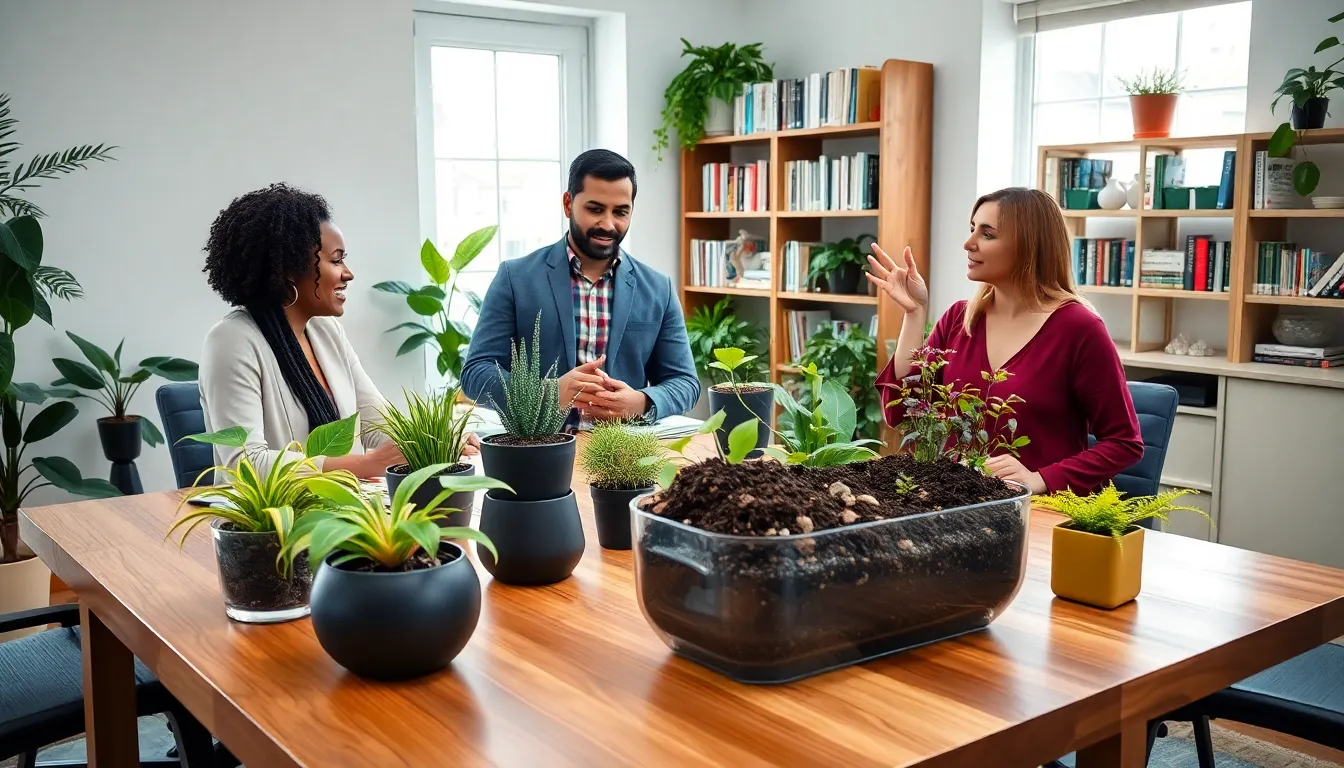
Soil is a complex mixture of organic and inorganic materials. To understand how to choose the right soil, it’s crucial to know its primary components: minerals, organic matter, water, and air.
- Minerals: These are the building blocks of soil. They provide essential nutrients like nitrogen, phosphorus, and potassium.
- Organic Matter: This part consists of decomposed plants and animal matter. It enriches the soil, helping with moisture retention and nutrient delivery.
- Water and Air: It might sound simple, but the right balance of moisture and aeration is vital for healthy root systems. Too much water can drown the plant, while too little can lead to dehydration.
Understanding these components sets the foundation for cultivating happy houseplants.
Types Of Soil Mixes For House Plants
Different plants thrive in different soil types. Here’s a breakdown of some popular mixes you might encounter:
1. All-Purpose Potting Soil
Best for most houseplants, this mix is rich in nutrients and supports drainage. It’s like the Swiss Army knife of soil types.
2. Cactus and Succulent Mix
Formulated for desert dwellers, this mix has excellent drainage properties to prevent root rot. It usually contains sand or perlite to keep things light and airy.
3. Orchid Mix
Orchids aren’t like your average houseplant. Their special mix often includes bark, perlite, and charcoal to ensure proper aeration and drainage.
4. African Violet Mix
Designed specifically for these beauties, this mix typically contains peat and vermiculite, helping retain moisture while ensuring good drainage.
Knowing the right mix can make all the difference for your green pals.
Choosing The Right Soil For Different Plants
Choosing soil for house plants requires considering individual plant needs. Each type of plant has different requirements.
- Leafy Greens: Great for moisture retention, a mix with a balanced ratio of peat to perlite works well.
- Flowering Plants: They often prefer slightly more nutrient-rich soil. Consider an all-purpose mix to keep blooms vibrant.
- Foliage Plants: For plants primarily grown for leaves, a mix that retains moisture but drains well is crucial.
- Medicinal Plants: Certain herbs thrive in specific types of soil, often preferring a slightly gritty blend for good drainage.
Eventually, when selecting soil, it’s about matching the needs of the plant with the properties of the soil.
Maintaining Soil Health
Healthy soil is the cornerstone of healthy plants. Here are a few tips to maintain it:
1. Watering
Don’t overwater. Too much love can drown your plants. Ensure the top inch of the soil is dry before watering again.
2. Fertilizing
Use a balanced fertilizer during the growing season. Remember, too much fertilizer can burn roots, nobody wants that.
3. Aeration
Every once in a while, gently fluff up the surface of the soil to promote air exchange.
4. Replace Topsoil
Consider replacing the top layer of soil every few months. This can refresh nutrients and keep your plant healthy.
Staying proactive about soil health will reward you with lush, happy plants.
Common Soil Problems And Solutions
Even the best soil can have its issues. Here are some common problems and how to tackle them:
1. Compacted Soil
When soil becomes too dense, it prevents water and air from reaching roots. To fix this, aerate the soil by gently loosening it with a fork.
2. Root Rot
Signs include wilting leaves and the smell of decay. If you notice these symptoms, allow the soil to dry out and consider repotting the plant in fresh, dry soil.
3. Nutrient Deficiency
Watch out for yellowing leaves or stunted growth. If this happens, applying a balanced fertilizer can help.
4. Pests
Insects love soil too. If you spot unwelcome guests, it’s essential to treat them quickly with insecticidal soap or neem oil.
Each of these problems has their remedies, making proactive care essential.
Tips For Repotting House Plants
Repotting can feel like a challenging job, but follow these tips for success:
1. Choose the Right Time
Spring is typically the best season for repotting. Plants are actively growing, making them less likely to suffer shock.
2. Select the Right Pot
Make sure it’s only slightly larger than the current pot. A pot that’s too big can lead to overwatering and root issues.
3. Use Fresh Soil
Always opt for fresh soil when repotting. This ensures your plant has the nutrients it needs to thrive.
4. Water Wisely
After repotting, don’t rush to water. Let the plant adjust for a day before you give it a drink.
With these friendly reminders, repotting can actually be a rewarding experience.