
Imagine a house that knows when you’re home, can brew your coffee on command, and locks itself up tighter than a bank vault when you go to bed. Sounds like a futuristic dream, right? Welcome to the world of smart homes. With smart devices taking the spotlight, they’ve quietly (and sometimes not-so-quietly) infiltrated our lives, bringing along their own set of superpowers and Kryptonite. But what are the real pros and cons of smart homes? Buckle up as we explore this thrilling techno-adventure.
Understanding Smart Homes
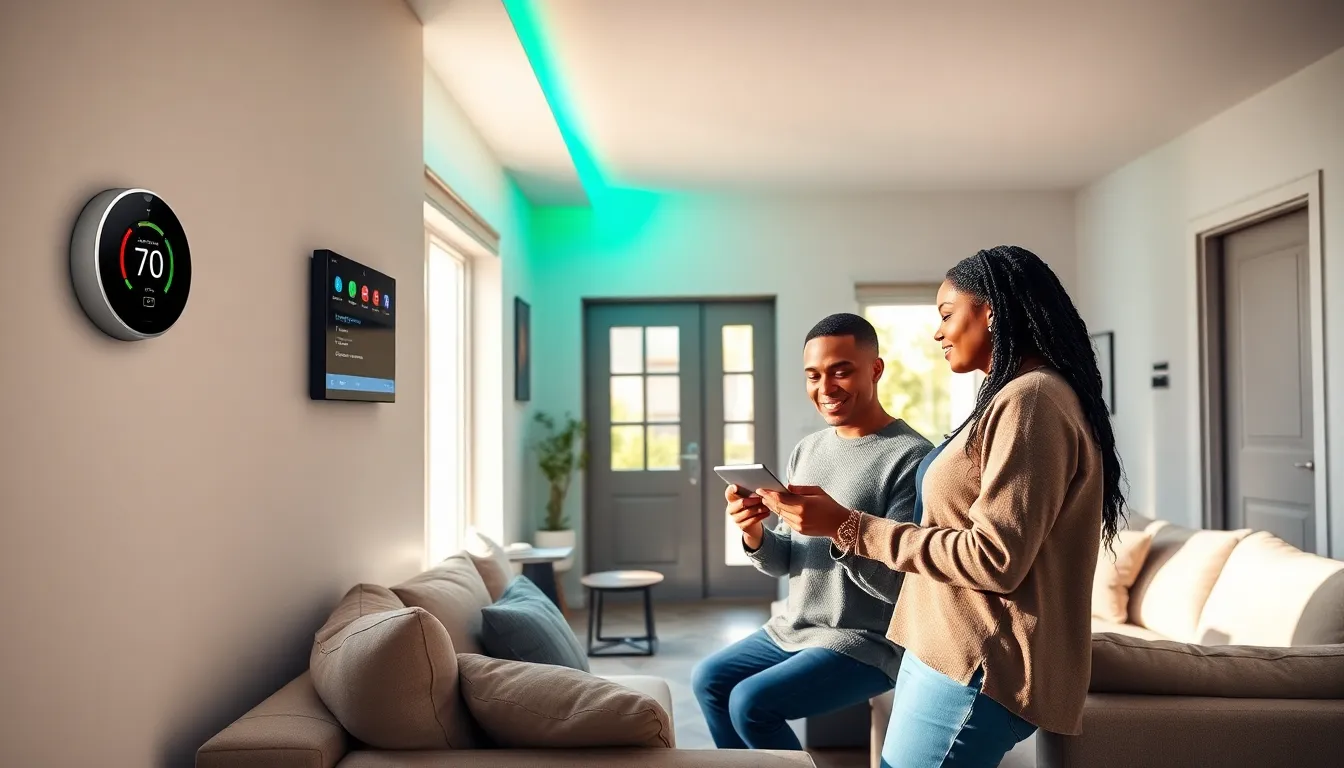
Smart homes, at their core, refer to residences equipped with devices and appliances that can be controlled remotely via the internet. This technology allows homeowners to automate tasks and enhance their overall living experience. Think smart thermostats that adjust to your preferred temperatures, security systems that send alerts to your phone, and lighting that transitions to match your mood. But don’t be fooled: while the term ‘smart home’ conjures images of a perfectly synchronized living space, it’s crucial to understand both the benefits and the potential pitfalls.
Advantages Of Smart Homes
Increased Convenience
Imagine commandeering your home from your smartphone as easily as changing a channel on your TV. Smart homes are all about convenience: you can control lighting, temperature, and even your coffee maker without getting off the couch. Now that’s a win for relaxation.
Energy Efficiency
Who doesn’t love lower utility bills? Smart homes contribute to energy efficiency by optimizing how appliances use energy. Smart thermostats, for instance, learn your habits and adjust heating and cooling based on when you’re actually home. As a result, your wallet will thank you after the first bill arrives.
Enhanced Security Features
Intrusion alarms, smart locks, and CamBot 3000. Oh wait, that was just my imagination. In reality, smart homes offer robust security systems that operate continuously at low costs. These give homeowners peace of mind whether they’re miles away or just enjoying a night out. Alerts and remote access options ensure you’re always in control.
Remote Access And Control
Have you ever left home only to wonder if you locked the door? With smart home technology, that fear is a thing of the past. Remote access allows homeowners to control their devices from anywhere, whether through a smartphone app or a central hub. Forgot to turn off the lights? No problem. Just pull out that trusty phone and tap away.
Potential Cost Savings
Over time, many smart home devices can pay for themselves. Energy savings contribute to reduced monthly bills, while efficiency features can extend the life of appliances. So, investing in smart technology might just be the clever financial move you didn’t know you needed.
Drawbacks Of Smart Homes
High Initial Costs
Let’s face it: jumping into the smart home trend can feel like diving into a pool of dollar bills. Many smart devices come with a hefty price tag, which can be a barrier for many homeowners. Factor in installation costs, and it’s enough to make anyone’s wallet squeal in despair.
Privacy And Security Risks
With great connectivity comes great vulnerability. The more connected your home is, the more potential weak spots it has for hackers. Smart homes store your data and monitor your behaviors, raising some eyebrows about privacy. What happens to that information? That’s a question every homeowner should carefully consider.
Dependence On Technology
Imagine planning a romantic dinner, only to have your smart hub crash. Relying solely on technology can lead to chaotic situations. What if you mistakenly command your cooking device to smoke your meal instead of grill perfectly? Sometimes, the old, dependable manual methods are just plain necessary.
Compatibility Issues
Compatibility is another puzzle piece that often doesn’t fit. Not all smart devices can seamlessly integrate with one another, leading to frustratingly complex setups. A little research is essential to prevent a technological headache. Choose wisely when selecting devices.
Learning Curve For Users
Last but not least, many users encounter a learning curve. Smart home technology may seem intuitive, but not everyone is tech-savvy. Figuring out how to program settings, update applications, or troubleshoot malfunctions can create a mountain of stress for those less familiar with the ins and outs of technology.