
Welcome to the future, where your toaster can chat with your fridge and your lights might just be smarter than your average New Yorker. Smart homes aren’t just a passing trend: they’re taking over urban living spaces, including the bustling streets of New York City. In this guide, we’ll explore everything from the rise of smart homes to the nitty-gritty of how to jump on board this tech wave. Ready to turn your humble abode into a high-tech haven? Let’s immerse.
The Rise of Smart Homes in Urban Environments
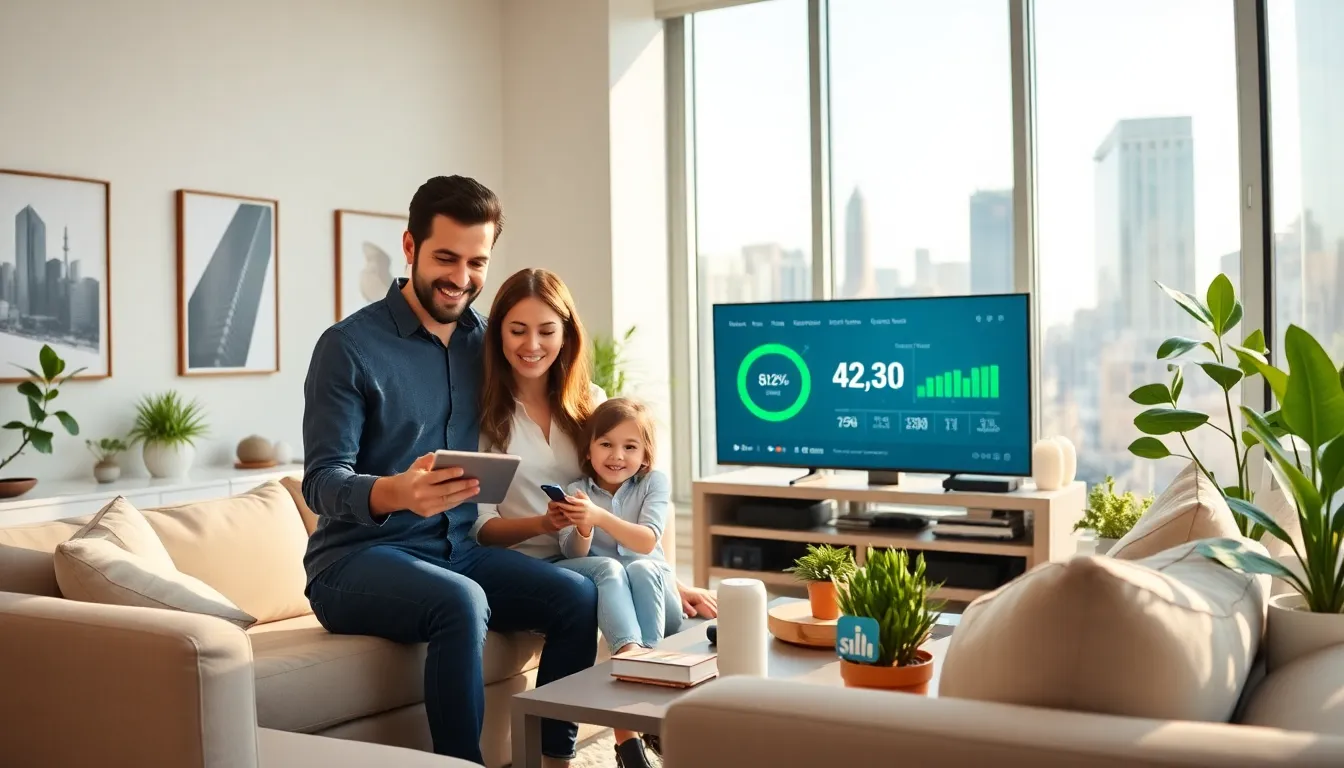
Smart homes are becoming increasingly common in urban areas, and New York City is no exception. As urban dwellers seek ways to enhance their living experiences, smart technology presents an enticing solution. The convenience of controlling multiple devices from a single app or a voice command appeals to busy professionals and families alike. The growing demand for sustainability also fuels this trend. Many New Yorkers are adopting smart systems to monitor energy usage, contributing to greener living while also saving some cash on utility bills. It’s a win-win situation that is prompting individuals to embrace the smart home revolution.
Benefits of Smart Home Technologies in New York
Living in a smart home offers numerous advantages that particularly resonate in a fast-paced city like New York.
- Enhanced Convenience: Imagine returning home and your house lights automatically brighten, the thermostat adjusts to your preferred temperature, and your latest playlist kicks off. That’s the magic of smart technology.
- Increased Security: Smart security systems provide peace of mind. Users can monitor their homes remotely, receive alerts, and even grant access to visitors without being physically present. Cameras, smart locks, and security alarms create a comprehensive protective shield.
- Energy Efficiency: New Yorkers can benefit significantly from energy-saving technologies. Smart plugs and thermostats help optimize energy usage, contributing to lower bills. This factor holds immense appeal in a city where every dime counts.
- Home Management Capabilities: Smart home apps allow users to monitor and manage their household tasks seamlessly. From scheduling vacuuming robots to programming appliances, modern homeowners can run their households more efficiently.
Popular Smart Home Devices and Systems
When diving into the world of smart homes, several gadgets and systems shine.
- Smart Speakers: Amazon Echo and Google Nest have become household staples. These devices serve as central hubs, allowing voice control over other smart devices.
- Smart Thermostats: Nest and Ecobee enable users to control their home temperatures remotely while learning their habits to optimize heating and cooling schedules.
- Smart Lighting: Philips Hue and LIFX offer customizable lighting options. Users can adjust brightness and color temperature, creating different atmospheres depending on the occasion.
- Smart Security Systems: Ring and Arlo provide camera systems and smart doorbells that help monitor homes efficiently. They can send notifications to users’ mobile devices whenever there’s unusual activity.
- Smart Appliances: Advanced gadgets like Samsung’s smart fridges and ovens offer energy-efficient features along with the ability to manage food inventory or set cooking timers remotely.
Challenges and Considerations for Smart Home Adoption
While the appeal of smart homes is considerable, there are challenges involved.
- Interconnectivity Issues: Not all devices communicate well with one another. Compatibility can be a headache, particularly when mixing brands or ecosystems.
- Privacy Concerns: With great technology comes great responsibility. Security breaches and data privacy remain significant concerns for potential users. Ensuring robust security measures is crucial.
- Initial Costs: Some may find the startup costs daunting. While many smart devices recoup their costs over time through energy savings, the initial investment can be a steep hurdle for some homeowners.
Future Trends for Smart Homes in New York
The smart home landscape is ever-evolving, and New York is poised to be at the forefront.
- Integration with IoT: Increased integration with the Internet of Things (IoT) will result in more intelligent ecosystems. Expect devices to share data seamlessly, creating a more intuitive living experience.
- Sustainability Features: As environmental consciousness grows, more smart products that focus on sustainability will emerge. Solutions like efficient waste management systems are on the horizon.
- Aging in Place Solutions: The trend of aging in place among senior citizens is driving demand for smart technologies that foster independence and safety. Devices that enhance daily living while monitoring health will gain traction.
How to Get Started with Your Smart Home
Embarking on the journey to a smart home doesn’t need to be overwhelming. Here’s a straightforward approach to get started:
- Assess Your Needs: Consider what you want your smart home to achieve. Is it improved security, energy savings, or just more convenience?
- Choose a Ecosystem: Decide on a platform, be it Google, Amazon, or Apple, this will help streamline device compatibility.
- Start Small: Begin with a few devices rather than overhauling everything at once. Maybe a smart speaker or a thermostat is an excellent initial step.
- Research and Plan: Take your time to read reviews and ensure the devices you select are well-supported and have good interconnectivity.
- Stay Informed: Keep up with trends and new releases. The tech world is always evolving, and staying updated will help you make the best choices.