In the digital landscape of contemporary publishing, #RedWebZine stands out as a beacon of creativity and cultural dialogue. This online platform not only showcases diverse voices but also fosters a vibrant community where art and literature intersect. Understanding the significance, editorial nuances, and future directions of #RedWebZine offers insight into its role in shaping modern discourse. This article delves deeply into what makes #RedWebZine a pivotal player in the realm of digital content.
Understanding the Significance of RedWebZine
Historical Context and Evolution
#RedWebZine was born out of a need for inclusive representation in digital publishing. Launched in the early 2010s, it aimed to bridge gaps in access and visibility for underrepresented groups. Over the years, the zine has evolved, encompassing a range of multimedia content including articles, poetry, visual art, and interactive features. As society shifted towards recognizing diverse narratives, #RedWebZine adapted, solidifying its place in the digital publishing scene.
Cultural Impact and Community Engagement
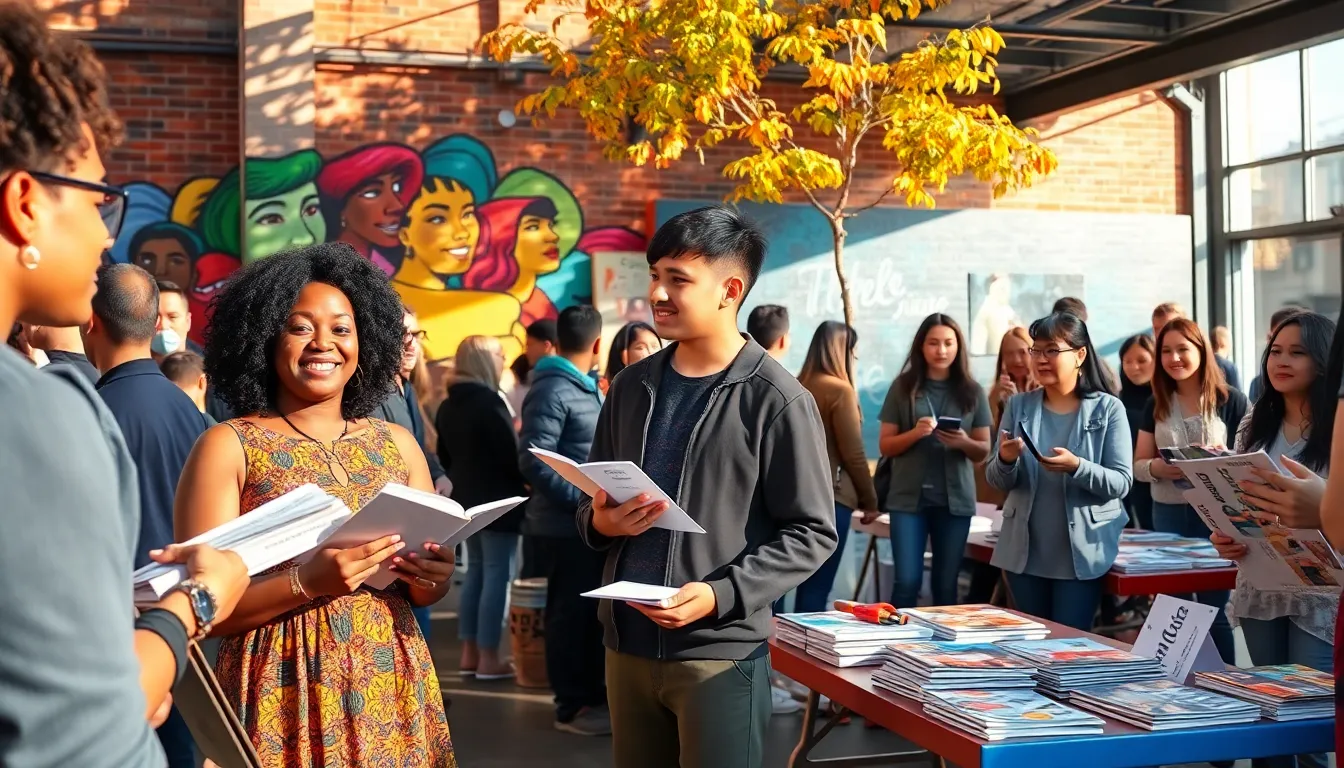
The zine has significantly influenced cultural conversations by highlighting issues such as identity, social justice, and the human experience. Its commitment to community engagement is evident through collaborations with local artists and writers, workshops, and events. Through these initiatives, #RedWebZine fosters a sense of belonging among its contributors and readers, which is vital in an increasingly fragmented digital age.
Content Themes and Featured Voices
Diverse Perspectives in Writing and Art
At the heart of #RedWebZine lies its dedication to showcasing diverse perspectives. This zine amplifies voices that are often marginalized in mainstream media, offering space for stories that challenge norms and provoke thought. Writers and artists explore themes that range from personal narratives to broader societal issues, creating a rich tapestry of content that resonates with a wide audience.
Breaking Down Popular Categories and Genres
The zine features a plethora of categories, including poetry, fiction, essays, and visual art. Each genre serves as a medium for self-expression and cultural reflection. Popular categories, such as LGBTQ+ narratives, social justice essays, and experimental visual art, draw substantial readership, demonstrating the zine’s role as a platform for innovation and exploration.
Exploring Editorial Choices and Style
The Role of Editors and Contributors
Editors at #RedWebZine play a crucial role in curating content that aligns with the platform’s mission. They seek not only quality writing but also alignment with the zine’s values of inclusivity and diversity. Contributors, ranging from emerging writers to seasoned artists, bring unique perspectives that enrich the overall narrative. This collaborative editing process ensures a dynamic and reflective output that speaks to contemporary issues.
Innovative Storytelling Techniques
#RedWebZine is known for its innovative storytelling techniques, integrating various digital mediums to enhance reader engagement. From interactive articles to multimedia storytelling that includes audio and video elements, the zine pushes the boundaries of traditional formats. This forward-thinking approach not only attracts readers but also sets a standard for how digital narratives can be constructed and shared.
Navigating the Future of RedWebZine
Emerging Trends and Technological Influence
As technology continues to shape the way content is produced and consumed, #RedWebZine is keenly aware of the need to adapt. Trends such as virtual reality storytelling and interactive journalism are on the horizon, and the zine is exploring these avenues to engage its audience further. Such technological adaptations promise to make storytelling more immersive and accessible, which is crucial for reaching broader demographics.
Community Growth and Sustainability
Looking ahead, community growth remains a focal point for #RedWebZine. Building a sustainable network of contributors and readers is essential for its longevity. Strategies that promote inclusivity and active engagement, such as mentorship programs and community-focused events, are being prioritized. By nurturing its community, #RedWebZine aims to consolidate its position as a vital resource in the digital arts and literature landscape.
Conclusion
To conclude, #RedWebZine represents more than just an online publication: it embodies a movement towards inclusive storytelling and cultural dialogue. By understanding its historical context, content themes, editorial choices, and future navigation, one can appreciate its unique contribution to the literary and artistic community. As it continues to evolve, #RedWebZine promises to remain a meaningful platform where diverse voices can flourish and inspire.