
In the vast and multifaceted world of gaming, communities have cultivated rich cultures that are distinct yet interconnected. RamblingsOfAGamer.com serves as both a reflection and a resource on these intricate gaming landscapes. Understanding the nuances of these communities offers insights into what makes gaming not just a pastime, but a profound cultural phenomenon. This article explores various aspects of gaming culture, from the evolution of communities to the role of streaming and the significance of gaming events.
Understanding the Gamer Community
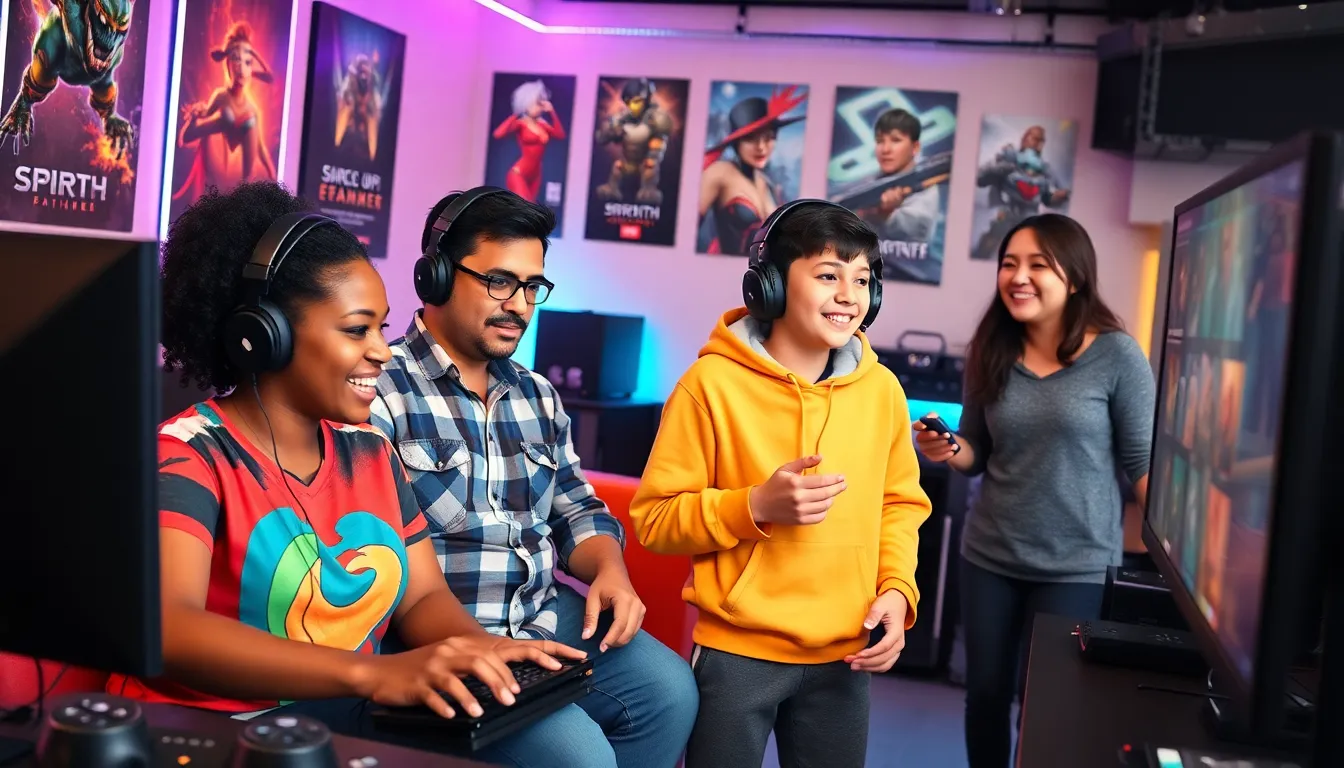
The Evolution of Gaming Communities
Gaming communities have undergone significant transformation since the inception of video games. In the early days, players gathered in arcades, exchanging tips and strategies in person. With the rise of home consoles and the internet, these interactions shifted online, giving birth to forums and chat rooms dedicated to gaming. Today, social media platforms and gaming platforms like Discord have created feasible spaces for connection, allowing gamers around the globe to communicate and collaborate in real-time.
Key Demographics and Interests
The gamer community is far from monolithic. According to recent statistics, approximately 47% of gamers are female, illustrating a shift in gender demographics that reflects broader societal changes. Also, age diversity is notable, with gamers ranging from children to adults in their 40s and beyond. Interests often extend beyond gameplay, encompassing cosplay, game development, and fandom, all of which play a role in forging strong community ties.
Types of Gamers: Casual vs. Hardcore
Exploring Game Genres and Their Communities
Gamers can be categorized broadly into two types: casual and hardcore. Casual gamers typically engage in less demanding experiences, often favoring mobile games or family-friendly titles. Popular casual games like “Candy Crush” and “Animal Crossing” create inclusive environments where players can relax and socialize. In contrast, hardcore gamers tend to immerse themselves in complicated narratives and competitive environments, often playing titles like “Dark Souls” or “League of Legends” that yield a higher skill ceiling and community involvement.
Popular Game Genres and Their Cultures
Different game genres foster unique cultures. For instance, first-person shooters (FPS) like “Call of Duty” and multiplayer online battle arenas (MOBAs) like “Dota 2” nurture competitive environments that often culminate in eSports tournaments. Meanwhile, role-playing games (RPGs) like “Final Fantasy” cultivate deep narrative investment, allowing for extensive world-building and character exploration. These genres align with passionate communities that express their fervor through fan art, online discussions, and various forms of content creation.
The Role of Streaming and Content Creation
Impact of Platforms on Gaming Trends
Streaming platforms such as Twitch and YouTube have reshaped how gamers consume and share content. Streamers often serve as both entertainers and educators, guiding viewers through gameplay while fostering a sense of community. The ability to interact in real-time has driven gaming trends, influencing which titles gain popularity and how communities develop around them. Also, channels dedicated to game reviews, speedrunning, and walkthroughs offer platforms for gamers to showcase their skills and perspectives, perpetuating a constant cycle of engagement.
Influencer Culture and Its Evolution
The role of influencers has expanded significantly within the gaming community. Once merely voices in the crowd, popular streamers and gamers now command sizable audiences, shaping consumer preferences and gaming trends. They provide a direct line of communication between developers and consumers, often influencing which games succeed or fail in the market. As influencer culture evolves, so does the approach to gaming marketing, authenticity and relatability have become paramount, making it essential for brands to collaborate with gamers who resonate with their audience.
Gaming Events and Their Significance
Major Conventions and Their Impact
Gaming conventions, such as E3 and PAX, serve as significant gatherings for fans, developers, and media. These events showcase upcoming releases, allowing the community to engage with developers directly. At conventions, gamers can participate in hands-on demos, attend panels featuring industry experts, and meet fellow enthusiasts. Such interactions foster a sense of belonging and highlight the cultural impact gaming has on modern society.
Local Events and Meetups
Plus to large-scale conventions, local gaming events and meetups provide opportunities for community bonding. These gatherings often focus on specific genres or platforms, enabling gamers to connect over shared interests. Organizing tournaments, board game nights, or casual play sessions allows local gamers to build friendships and create networks that extend beyond the gaming experience.
The Future of Gaming Communities
Emerging Trends and Technologies
The future of gaming communities is shaped by emerging technologies such as virtual reality (VR) and augmented reality (AR). These technologies promise to enhance immersive gaming experiences, creating new dimensions for interaction and engagement. As these innovations become more mainstream, communities will likely evolve to incorporate these technologies into their culture, allowing players to connect in previously unimaginable ways.
The Role of Diversity and Inclusion
A crucial aspect of the future of gaming communities is the focus on diversity and inclusion. As the gaming industry recognizes the importance of bringing diverse voices to the forefront, communities are becoming more welcoming and inclusive than ever. Game developers are increasingly creating characters and narratives that reflect a broader range of experiences, which in turn fosters a culture where gamers from all backgrounds feel represented and valued.
Conclusion
Summarizing, RamblingsOfAGamer.com encapsulates the vibrant and ever-evolving culture of gaming. As communities adapt to technological advancements and shifting demographics, they continue to foster connections that transcend the screen. Understanding these dynamics not only enriches the gaming experience for many but also highlights gaming’s role as a significant cultural force in society. The future of gaming communities looks bright, driven by innovation, inclusivity, and a shared passion for play.