
Are you tired of plants that demand the sun’s undivided attention? Does your living room resemble more of a cave than a botanical paradise? Fear not. This guide unveils the secrets of thriving house plants that don’t mind living life in the shade. If they could talk, they’d probably thank you for avoiding direct sunlight, after all, too much light can make a plant nervous. Let’s explore how to green up those corners without requiring a sun lamp or an indoor jungle.
Understanding Low Light Conditions
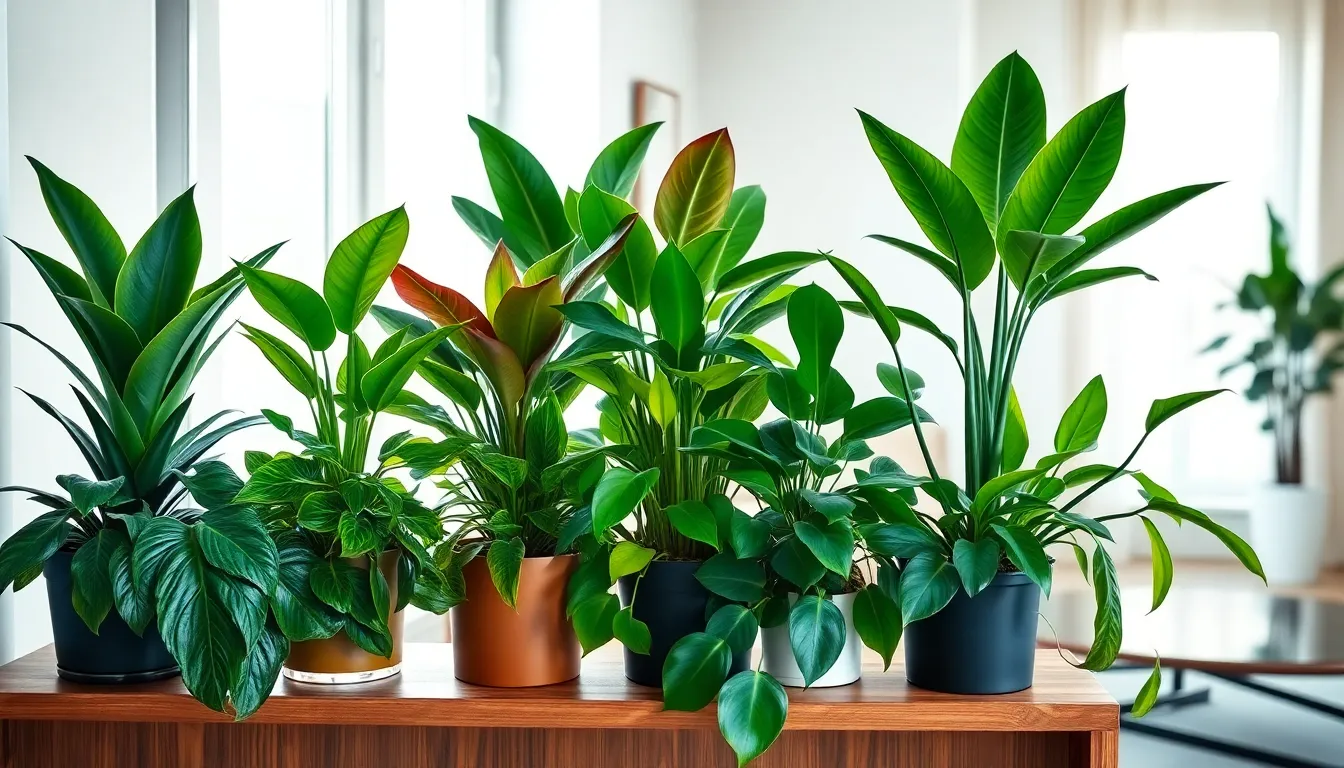
Low light conditions can be a bit of a misunderstood concept. To put it simply, if a space receives less than three hours of direct sunlight per day, it’s classified as low light. Think of areas like north-facing rooms, spaces shaded by tall buildings, or even cozy corners where natural light barely reaches.
Plants that thrive in these environments have evolved over time to adapt, developing unique traits that help them flourish with minimal sun exposure. They often have larger leaves to capture more light and can survive on artificial lighting. Understanding these environments is essential for selecting the best low light house plants.
Benefits Of Low Light House Plants
Low light house plants offer numerous advantages, making them a great choice for anyone wanting to liven up darker spaces. First and foremost, they improve indoor air quality, filtering pollutants and producing oxygen, turning your home into a healthier environment.
Also, these plants require less maintenance. They don’t demand daily checking for wilting leaves or constant watering like their sun-loving counterparts. This makes them ideal for busy people who still crave a bit of greenery.
Also, low light plants bring a sense of tranquility to a room. Their mere presence can reduce stress and enhance mood, scientifically proven. So, investing in a few low light wonders can be both aesthetically pleasing and beneficial for mental well-being.
Top Low Light House Plants
When it comes to choosing the best house plants for low light, a few specific varieties shine brighter than the rest:
1. Snake Plant
Also known as mother-in-law’s tongue, this sturdy plant can survive in nearly any environment, light included. With its tall, striking leaves, it can add vertical interest to your space.
2. ZZ Plant
Its waxy, emerald leaves create a glossy appearance that looks sophisticated, even in the shadows. The ZZ plant is exceptionally tolerant of neglect, making it perfect for anyone unsure about their plant care skills.
3. Pothos
Pothos is a classic choice for beginners. It cascades beautifully over shelves and has an attractive vine-like growth. Plus, the varieties range from solid green to variegated leaves, giving an extra pop of color.
4. Peace Lily
This plant not only thrives in low light but also produces stunning white flowers. Peace lilies are known for their air-purifying qualities, making them a perfect choice for improving indoor air quality while adding beauty.
5. Philodendron
With its heart-shaped leaves and trailing vines, the philodendron is another great companion for dim spaces. It’s not picky about light and can add lush foliage to your living area.
6. Spider Plant
Not only is the spider plant resilient, but it also produces little spiderettes that hang down like offspring. It’s a charming addition to kitchens or bathrooms.
Care Tips For Low Light Plants
Caring for low light plants is relatively straightforward, but a few key tips can help ensure they thrive:
- Watering: Over-watering is a common mistake. Always check if the top inch of soil is dry before giving it a drink. Low light plants prefer to dry out a bit between waterings.
- Fertilizing: Use a diluted liquid fertilizer during the growing season, typically spring and summer. Keep it minimal, as lower light means slower growth.
- Dusting: Regularly wipe the leaves with a damp cloth. Dust can block the limited light these plants receive, so keeping them clean is essential.
- Rotate your Plants: Every few months, give your plants a gentle turn. This ensures even growth and prevents them from leaning toward the light source.
Common Mistakes To Avoid
While growing low light plants can feel like a walk in the park, there are several common pitfalls to steer clear of:
- Over-Watering: This mistake is all too common and can lead to root rot. Ensure pots have drainage holes, and always err on the side of less rather than more.
- Ignoring Temperature: Low light plants typically prefer consistent conditions, so avoid placing them near heaters or drafty windows.
- Forgetting to Prune: Occasionally, plants will grow leggy or unhealthy. Make sure to prune them back when necessary to encourage bushier growth.
- Underestimating Light: Even low light plants need some light. Don’t hide them in the darkest corner of your home: they still require indirect sunlight.
Avoiding these mistakes will help keep your low-light plants healthy and thriving.
Creating A Low Light Plant Display
Once you’ve chosen your low light plants, it’s time to get creative with how you display them:
- Layering: Use various sizes and heights of plants to create depth. Taller plants like snake plants can anchor a corner, while trailing plants like pothos can spill over the edges of shelves.
- Grouping: Create clusters of plants to make a visually striking arrangement. Grouping similar plants together can also help with humidity, creating a small ecosystem.
- Using Shelves and Stands: Elevate plants on shelves or stands to draw the eye upward and create interest. Hanging planters are also an excellent option for maximizing space.
- Decorative Pots: Choose pots that complement your interior design style. Unique and colorful pots can add personality to your plant display.