Imagine a home that’s not just a place to live, but a partner in your daily routine. Enter smart homes. They’re not just for tech enthusiasts anymore: they’re about turning your castle into a kingdom of convenience. Seriously, with the right tech, your coffee can brew itself while your thermostat determines whether it’s shorts or sweater weather. Not to mention, you might save enough on your bills to finally splurge on that robot vacuum you’ve been eyeing.
Enhanced Convenience and Comfort
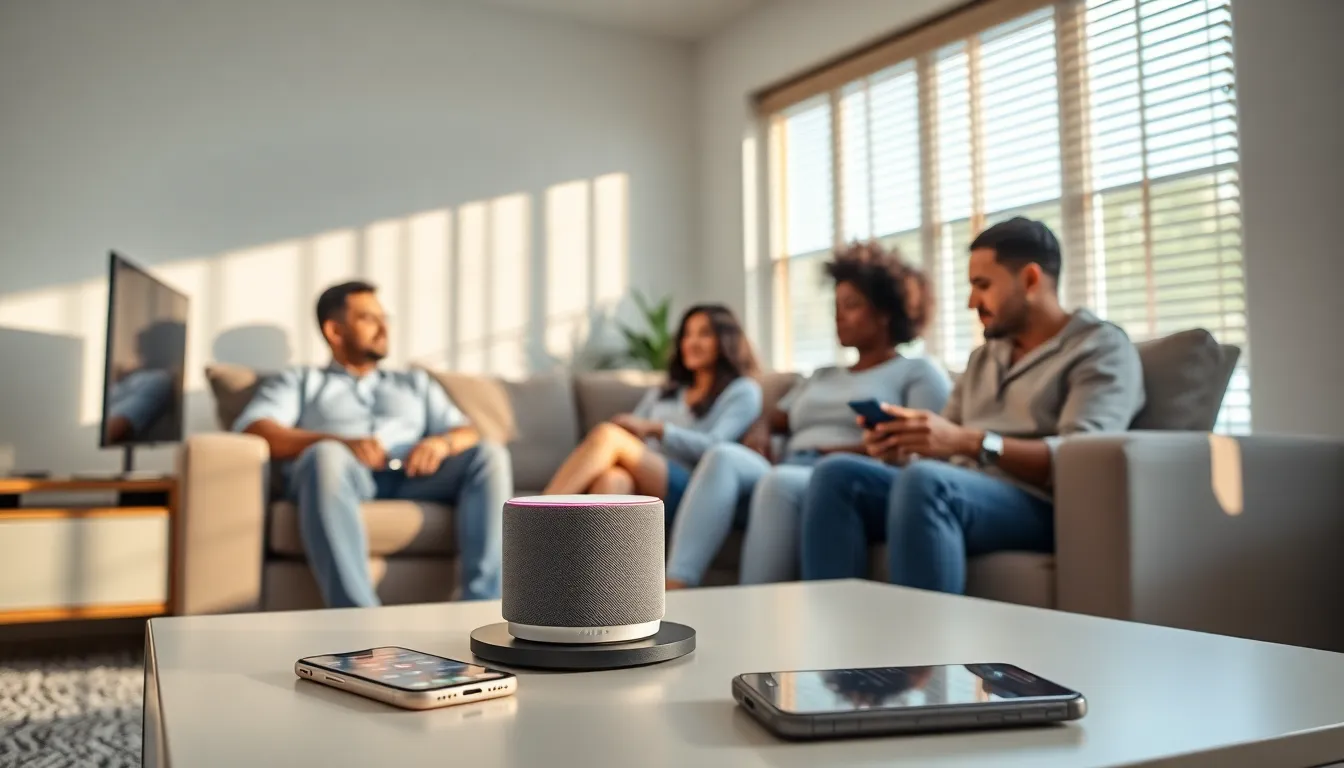
Picture this: you’re sprawled on the couch, binge-watching the latest series, and it hits you, it’s way too hot in here. With a smart home, that’s no problem. Simply ask your voice assistant to lower the temperature. Convenience, anyone? Smart homes integrate technology to streamline operations. From lighting that adjusts based on the time of day to automated blinds that ensure just the right amount of sunlight, every little detail adds to the comfort.
Besides, think about smart speakers that play your favorite playlists with a mere command or smart appliances that alert you when dinner is ready. The feature that really steals the spotlight, though? Remote access. Imagine being halfway to work and realizing you forgot to close the garage door. With a smartphone app, you can lock it up with a simple click.
Ah, comfort and convenience, all in one package.
Energy Efficiency and Cost Savings
Smart homes don’t just offer convenience: they also help the planet, and your wallet. Energy efficiency takes center stage as smart thermostats learn your habits and adjust heating or cooling accordingly. That means no more warm afternoons where the AC works overtime.
Also, smart lighting systems come with dimming features and scheduling options that can significantly reduce electricity bills. For example, you can set the lights to turn off automatically after everyone leaves the house. It’s like having an energy-efficient ninja watching over your budget.
In fact, a study shows that smart home technology can lead to energy cost savings of up to 30%. That’s a hefty chunk of change you could spend on more important things, like your next vacation. Who doesn’t want that?
Improved Security Features
Now, let’s talk about security because that’s a major player in the smart home game. With smart locks, cameras, and alarm systems, you can keep an eye on your domain from anywhere on Earth. Ever wonder if your delivery was actually made? Smart doorbells come equipped with cameras so you can watch your packages arrive in real time.
Plus, integration with security systems allows homeowners to receive alerts on their smartphones for unusual activity. How’s that for peace of mind? It’s like having a vigilant guardian watching your back, one that never sleeps and never needs to take a coffee break.
With a buzz, a ping, or even a voice command, homeowners can check on their property and feel a lot safer.
Health and Wellness Benefits
Smart homes prioritize not only the physical well-being of their inhabitants but also quality of life. Ever heard of smart air purifiers or humidity sensors? These little wonders can track air quality and adjust accordingly. A breath of fresh air is literally at your fingertips.
Also, smart lighting contributes to better sleep patterns by mimicking natural sunlight. No more tossing and turning because of harsh artificial lights.
And let’s not forget the wellness apps that prompt users to drink water or remind them to take breaks during long work hours. All these features combine to create a healthier lifestyle, making smart homes the wellness centers of the future.
Increased Property Value
Investing in smart home technology isn’t just futuristic: it’s also financially savvy. By enhancing convenience, security, and efficiency, homeowners can significantly boost their property’s market appeal. Many buyers today are looking for homes that come equipped with smart technology, viewing these features as must-haves rather than luxuries.
Data backs it up: homes equipped with smart technology can see an increase in value of 3% to 5%. Interested sellers can also leverage the growing trend of eco-conscious buyers by showcasing energy-efficient systems.
So, if you plan to sell down the road, converting your home into a smart home could pay off handsomely. It’s a win-win.
Customization and Control
One of the best aspects of smart homes is customization. Each system can be tailored to meet individual needs. Want to set the lights to a soft blue while watching a movie? Go for it. Prefer a cozy red while enjoying a book? Done.
The beauty lies in that flexibility, homeowners can adjust features with a smartphone app or voice command. Multipurpose rooms become easy to switch, not to mention creating scenes for various activities. And who wouldn’t want to set the ambiance for a date night with just a single voice command?
Future-Proofing Your Home
Embracing smart home technology suggests you’re ready for what’s next. As we leap into a tech-driven future, integrating these systems makes it easier to adapt to new advancements in home automation. Most smart home devices are designed to be updated remotely. That means even in the ever-evolving tech world, your home stays relevant.
Also, many industry insiders speculate that smart tech will become the standard in the coming years. Waiting until later might leave homeowners scrambling to catch up, not to mention the potential costs of retrofitting older homes. By investing now, it’s not just about convenience: it’s about being ahead of the curve.