
In the ever-evolving landscape of entertainment, gaming undoubtedly stands out as a dominant force. From casual mobile apps to intricate virtual reality experiences, gaming culture has become a critical part of modern life. The diverse worlds within gaming not only entertain but also provide a platform for community, creativity, and new technologies. This article delves into the realms of gaming culture, popular genres, and the bright future of gaming technologies, providing insights for both seasoned gamers and newcomers alike.
Understanding Gaming Culture
The Evolution of Video Games
The journey of video games began in the early 1950s with simple concepts such as ‘Tennis for Two’. Fast forward to today, the industry is a multi-billion-dollar phenomenon, often reflecting cultural changes and technological advancements. Console wars, the rise of online gaming, and mobile gaming’s boom have reshaped how society interacts with digital entertainment. What started as basic 8-bit graphics has transformed into hyper-realistic worlds filled with intricate narratives, significantly changing not only how games are designed but also who plays them.
How Gaming Communities Shape Experiences
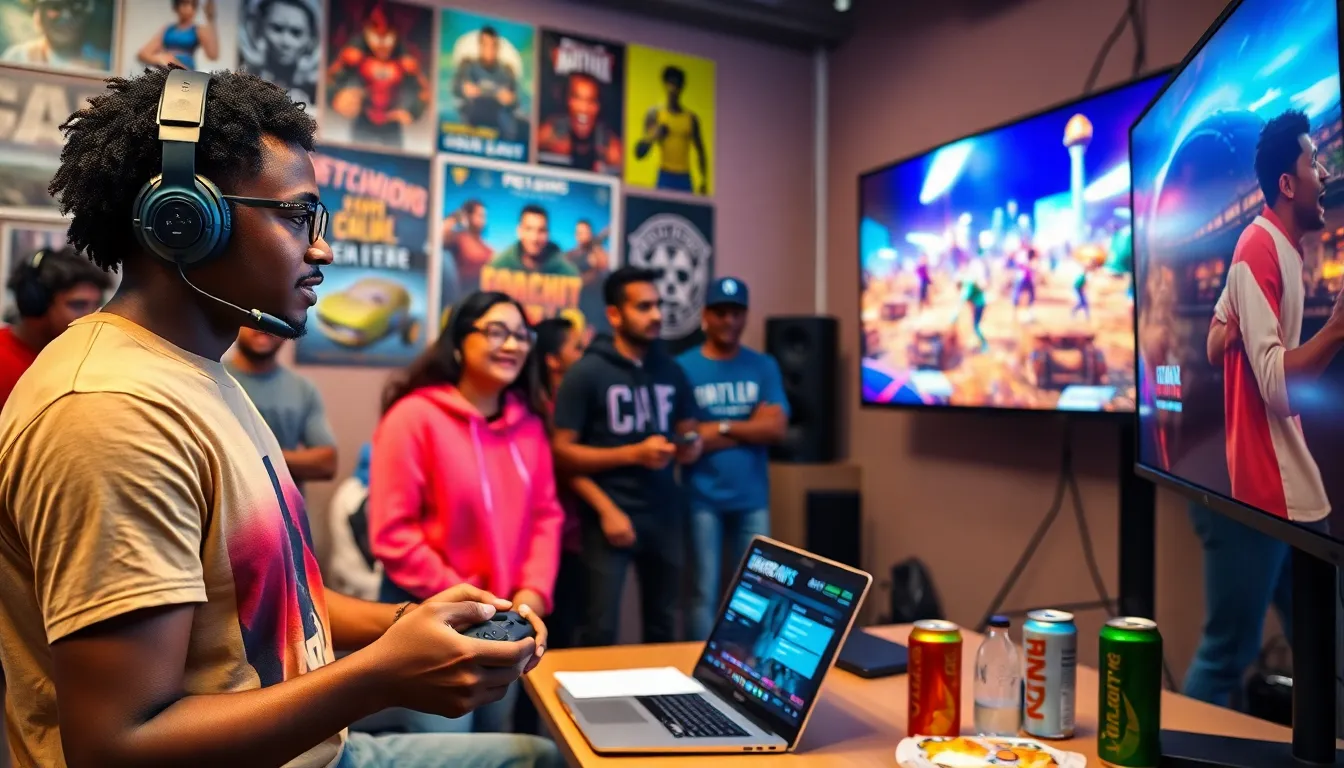
Gaming culture transcends the act of playing: it fosters communities that significantly enrich the experience. Online platforms like Discord and forums provide spaces for gamers to share strategies, organize tournaments, and form friendships. These communities cultivate a shared identity among players, which can be particularly empowering for those who may feel isolated in their everyday lives. Events like conventions and eSports tournaments further strengthen this culture, creating lively communal experiences that unite fans and players alike.
The Impact of Streaming and Content Creation
The rise of platforms such as Twitch and YouTube has revolutionized how gamers consume and interact with content. Streaming has given rise to a new form of celebrity: individuals can reach millions while playing video games live. This interaction builds a sense of community, where viewers feel connected not just to the streamer but to each other. Content creation has also opened doors for diverse voices in gaming, allowing for new narratives and perspectives to emerge in the mainstream. Commentary, tutorials, and let’s plays have become essential parts of gaming culture, enriching it while also driving the industry forward.
Key Genres in Gaming Today
Role-Playing Games (RPGs)
RPGs have carved a significant niche in the gaming ecosystem, allowing players to immerse themselves in detailed narratives and complex character development. Titles such as “The Witcher” and “Final Fantasy” have set benchmarks for storytelling and player engagement. The choice of character customizations and decision-making processes not only enhances replayability but also encourages emotional investment in the game world, making RPGs a beloved genre among dedicated gamers.
First-Person Shooters (FPS)
The FPS genre remains one of the most popular categories in gaming. Titles like “Call of Duty” and “Halo” have become household names, thanks to their fast-paced action and competitive online multiplayer modes. These games emphasize reaction times and strategic thinking, appealing to both casual and hardcore players. Recent trends also show a push towards incorporating narratives within FPS games, blending the thrill of gameplay with compelling storytelling.
Mobile Gaming Trends
Mobile gaming has undergone a significant transformation, emerging as a leading force in the industry. Titles such as “Fortnite Mobile” and “Genshin Impact” have attracted millions of players, showcasing how mobile platforms can deliver engaging and high-quality experiences. The accessibility of mobile gaming has broadened the audience significantly, making it a more inclusive space for various demographics. This trend has led to the rise of innovative game mechanics and monetization strategies, such as battle passes and in-game purchases, further shaping the future of gaming.
The Future of Gaming Technologies
Virtual Reality and Augmented Reality
As technology advances, virtual reality (VR) and augmented reality (AR) are beginning to redefine how gamers interact with their environments. VR headsets like the Meta Quest and platforms such as PlayStation VR are becoming more sophisticated and affordable, allowing players to immerse themselves in entirely new worlds. Similarly, AR games like “Pokémon GO” have successfully bridged the gap between the digital and physical realms, promoting an interactive form of gameplay that encourages exploration and social interaction.
Cloud Gaming and Accessibility
Cloud gaming services, such as Google Stadia and NVIDIA GeForce NOW, are poised to change the industry by allowing players to stream games directly without needing high-end hardware. This shift promises greater accessibility, enabling gamers with lower specifications to enjoy graphically intensive games. As internet speeds improve globally, cloud gaming could democratize access to the gaming world, allowing more people to participate regardless of their financial means. This innovation holds the potential to unite players from all walks of life, making gaming culture even more diverse and inclusive.
Conclusion
The world of gaming culture is complex and ever-evolving, embracing a spectrum of experiences that cater to diverse audiences. From the rich narratives of RPGs to the competitive nature of FPS games, each genre contributes to a broader cultural phenomenon that unites people globally. As technological advancements continue to shape gaming experiences, the future looks promising. Embracing these changes will not only enrich the gaming landscape but also foster communities that challenge the notions of isolation, making gaming an integral part of modern culture.